
Resources

Artistic Anatomy
As with any other tapestry, the human body is made up of patterns. Instead of painstakingly learning each individual fact, and questioning why you have to, learn the purpose of the tools you are given, and learn the patterns that exist within them, and the rest will come easily.
This is how to approach artistic anatomy surefooted.
Where do I begin when learning artistic anatomy? By asking the right questions.
FAQ
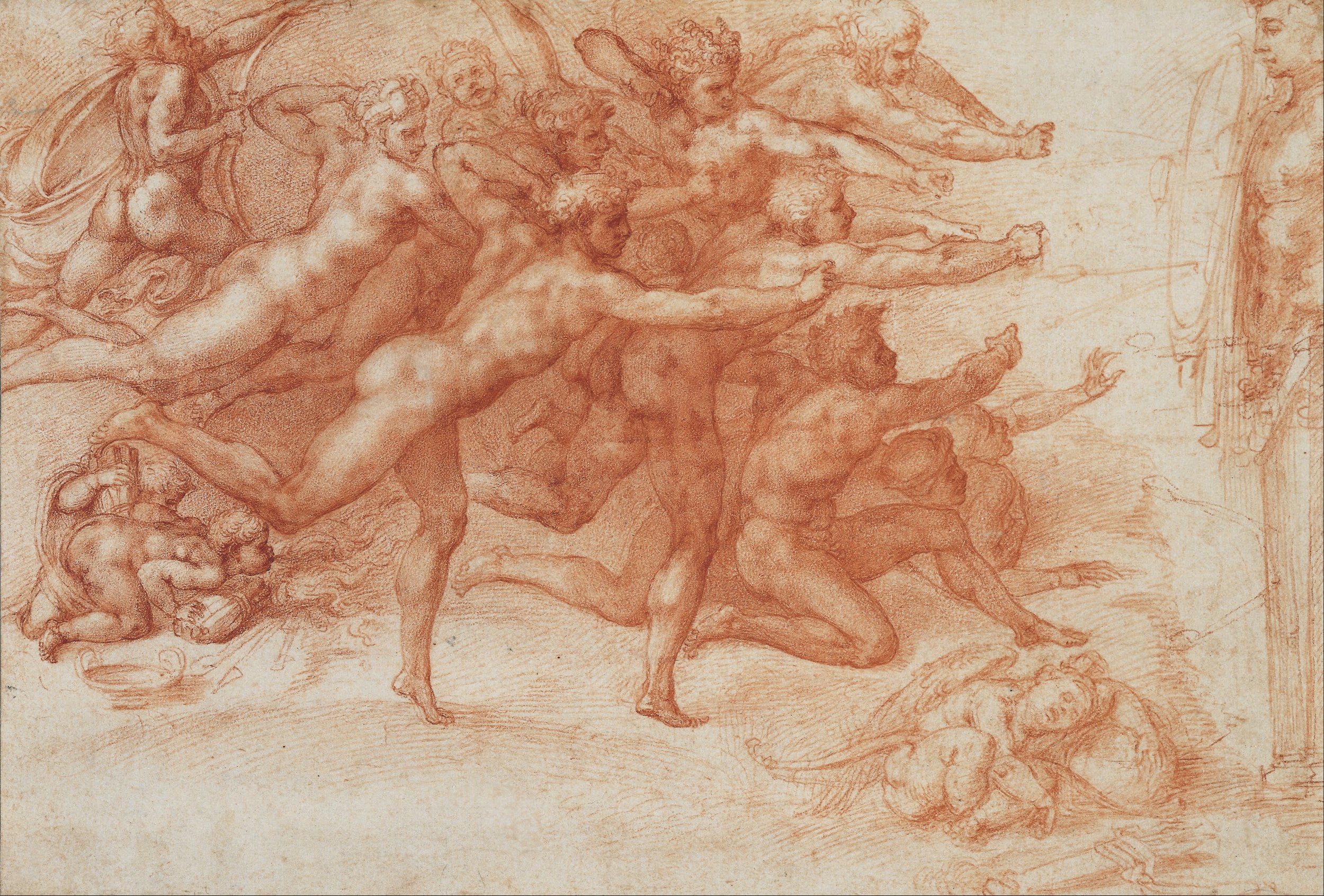
Archers shooting at a herm, Michelangelo, c. 1530, Red chalk (two shades) paper, 21.9 x 32.3 cm, Collection: Royal Collection
What is the goal of learning anatomy?
- To understand and thus better design shapes when drawing from the model.
- To draw quicker and more accurately (and avoid the strain of having to invent wheel each time).
- The application of anatomy to draw from imagination when there is no model to hold a pose.
- Finally, and the most freeing, to enjoy drawing or painting. Fluency and playfulness are intertwined.
Why do I have to learn anatomy when I can simply draw what I see?
Binning this folly thought will alone help you leaps and strides. You can’t ‘draw what you see’, and neither should you.
Life before us contains infinite information. We cannot pretend to capture every fibre of what we see, and attempting to simply wastes endless hours in the most counterproductive way. If we want to make a successful visual representation, we actually need to capture the shorthand that the brain uses when sifting through information.
This is why the simple brushstrokes of the hand of Rembrandt’s ‘the Bather’ will forever be more universally appreciated and timeless than the hundreds of pores hyperrealist portrait artists draw.
Beauty is not a distortion of the truth, but a removal of the ugly, the ugly being the discordant and irrelevant.
Is this for me even if I don’t paint figures?
Artistic anatomy is, beyond all doubt, essential for any artist.
The foundation of any atelier training has been that if you can paint the figure, you can paint anything. What art best serves to capture is the psychological significance of ourselves and the world around us. As with our vision, some things are emotionally sharper and others more blurred, and as such, the human eye is most sensitive to the self and the other. We are constantly searching of how patterns in ourselves repeat in the world around us and, as such, when the geometric patterns that occur in the human body are applied to landscapes and still life, they instantly make the subject more interesting.
Finally, as I always say, painting is hard enough, and there are so many things you have to wrestle with for years on end. This is one answer that is given to you plainly, an answer that happens to be one of the most beautiful ones anyone can ask for.
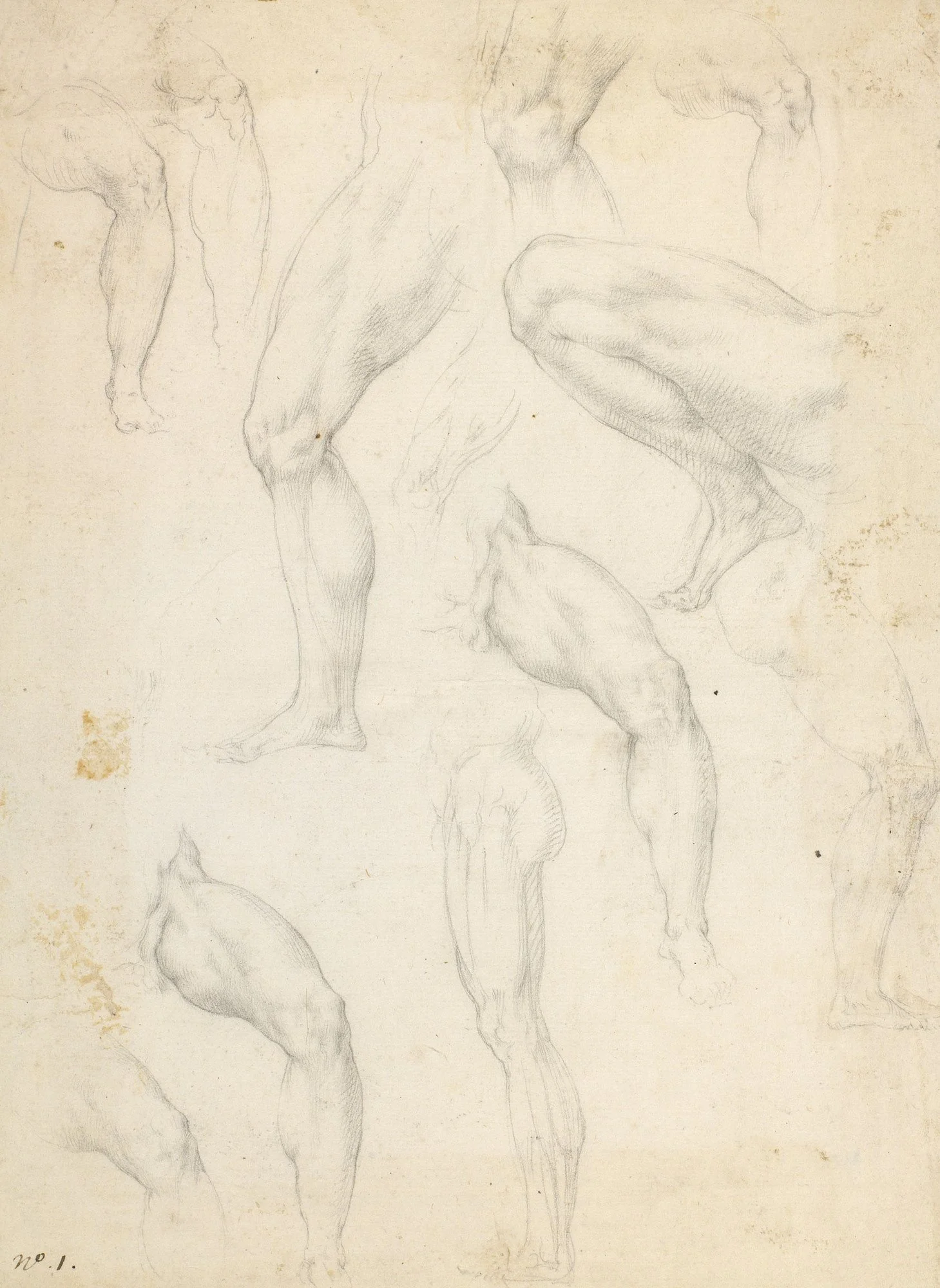
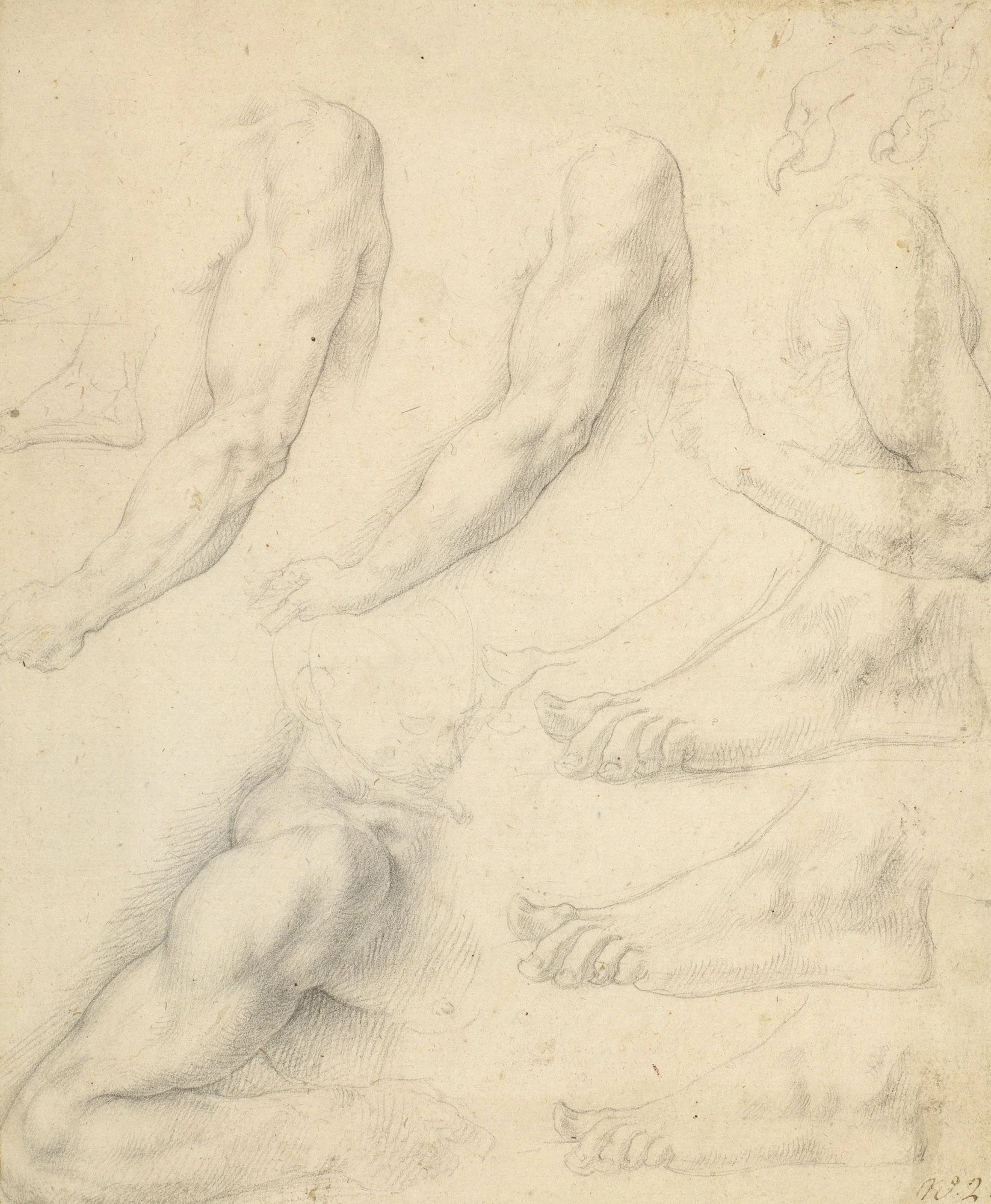
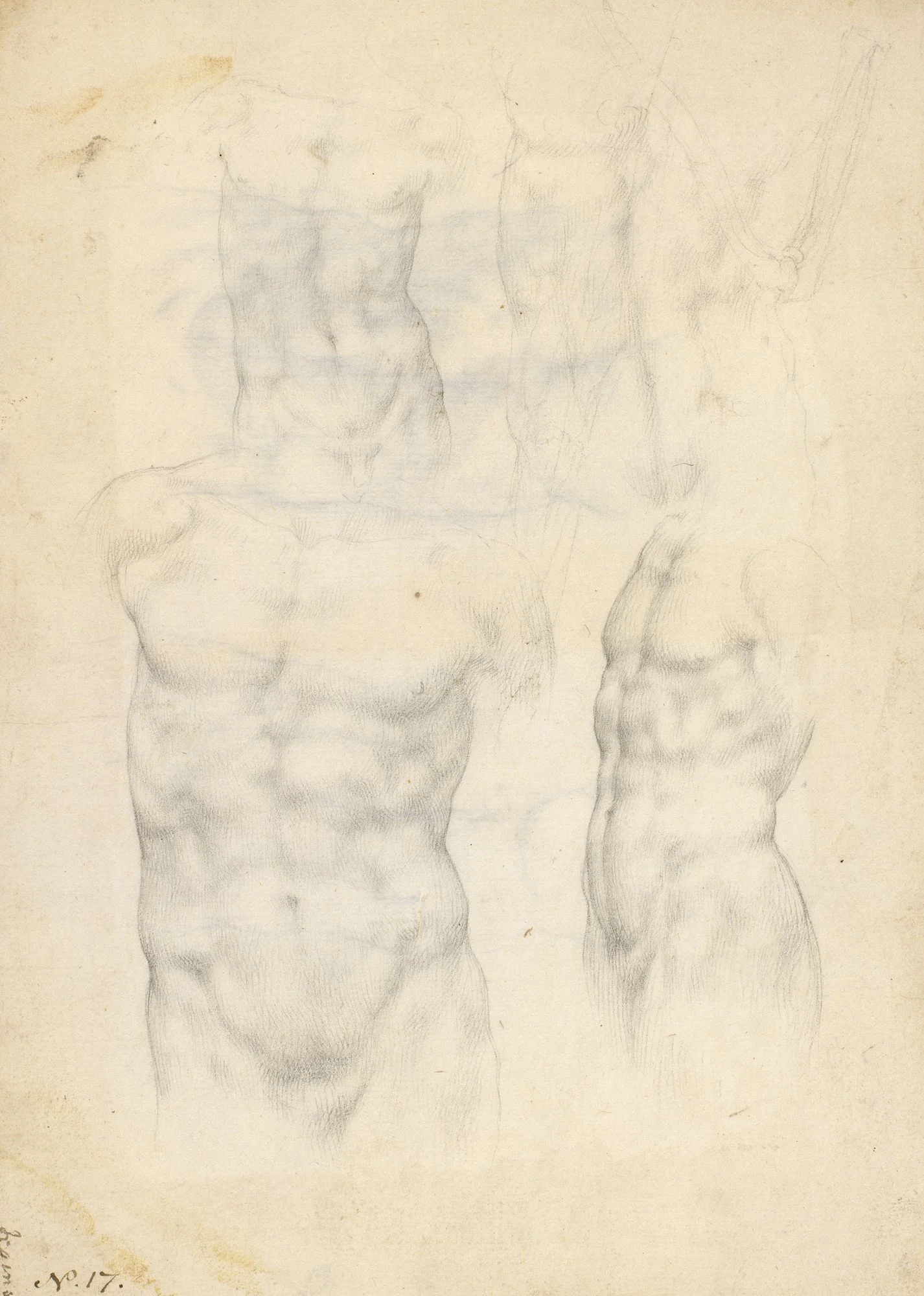
So now it’s obvious that I need to drop everything and dive wholeheartedly into artistic anatomy, how do I approach it?
↓
Purpose and Patterns
Anatomy is NOT about learning copious amounts of names for the sake of it. There is a purpose, and there are patterns that underlie everything.
Instead of painstakingly learning each muscle origin, insertion, and action, and questioning why you have to, learn the purpose of each, and learn the patterns that exist within them, and the rest will come easily.
What are our tools to understand anatomy?
We are given four tools used to understand anatomy of the muscles. Their:
1) Names
2) Morphology
3) Origin and Insertion
4) Action
1) Names:
Why learn the long names of the muscles? 90% of the time, muscle names tell you what it does, where it is, what form it has, and even what muscles surround it. And these names also come in patterns. For example, for every extensor, there will be a mirroring flexor on the other side of the limb, where there’s a longus, there will be a brevis nearby, where there’s an anterior, there will be a posterior, and so on. Below are a list of some of these patterns.
Extensor ↔ Flexor Superficialis ↔ Profundis
Longus ↔ Brevis
Digitorum = Fingers Pollicis = Thumb
Hallucus = Big toe Triceps = Three heads Biceps = Two heads
etc.
2) Morphology
The morphology, or shape, of the muscles gives us a textbook reference with which to design shapes efficiently. Helping identify the muscles helps us know what design most accurately represents that portion of the body.
For example, biceps bracchi tend to be quite peanut shaped.
3) Origin and Insertion:
Muscles have attachment points, or origins and insertions, which remain universal. Morphology helps a long way in identifying the muscle, but muscles can look different from person to person, and even within the same person when holding different pose. Morphology can’t solve every problem.
Therefore, the origin and insertion is a tool to help the muscles helps us identify them, regardless of their many different shapes and sizes, because we can see where they come from and where they end.
Anatomy courses show the figure in anatomical position. O/I help understand in any position.
4) Action:
The purpose of learning the action of the muscles is to tell you when and how morphology and design will change in different positions.
When muscles are activated, they will be bunched, shorter, more prominent and create strong tension and tendon. This is crucial to take into account when creating poses with movement more than just the tension we might see on the model.
5) Bonus
Even the direction of the muscle fibers serve to help us determine the function.
The muscles fibers can also be followed when hatching, and will always be perpendicular to skinfolds and wrinkles.
~
Anatomy of the Leg
Symposium Course Coming Soon
Anatomy resources:
Richer's artistic anatomy, and
Atlas of Human Anatomy and Surgery (25th Edition) by Bourgery and Jacobs
To see the most beautiful and clean plates and for general understanding
Human Anatomy for Artists: The Elements of Form by Eliot Goldfinger
To see the best correlation between the anatomy of the morphology of the model, as well as general understanding
The 'Complete Guide to Anatomy for Artists & Illustrators. by Gottfried Bammes,
and 'Constructive Anatomy' by George Bridgeman
To see the best constructs shapes and simplification of the anatomy
"the training of the memory in art and the education of the artist" by horace lecoq de boisbaudran
Understanding of how memorization of anatomy applies to complex scenarios
Some other excellent resources:
Anatomy for Sculptors (website, Instagram)
Institute of Human Anatomy (website, Instagram)
Royal Collection Trust (Old masters drawings (Michelangelo, Da Vinci, Figino and so many more)
Osteography, or the Anatomy of the Bones, William Chelselden
Anatomy of the External Forms of Man, Dr Julien Fau (look at the plates to see bones and muscles within the contour of the skin)
The beautiful écorché illustrations by Charles Landseer