The Archive

An Archive with the Artist in Mind
Coming 2026
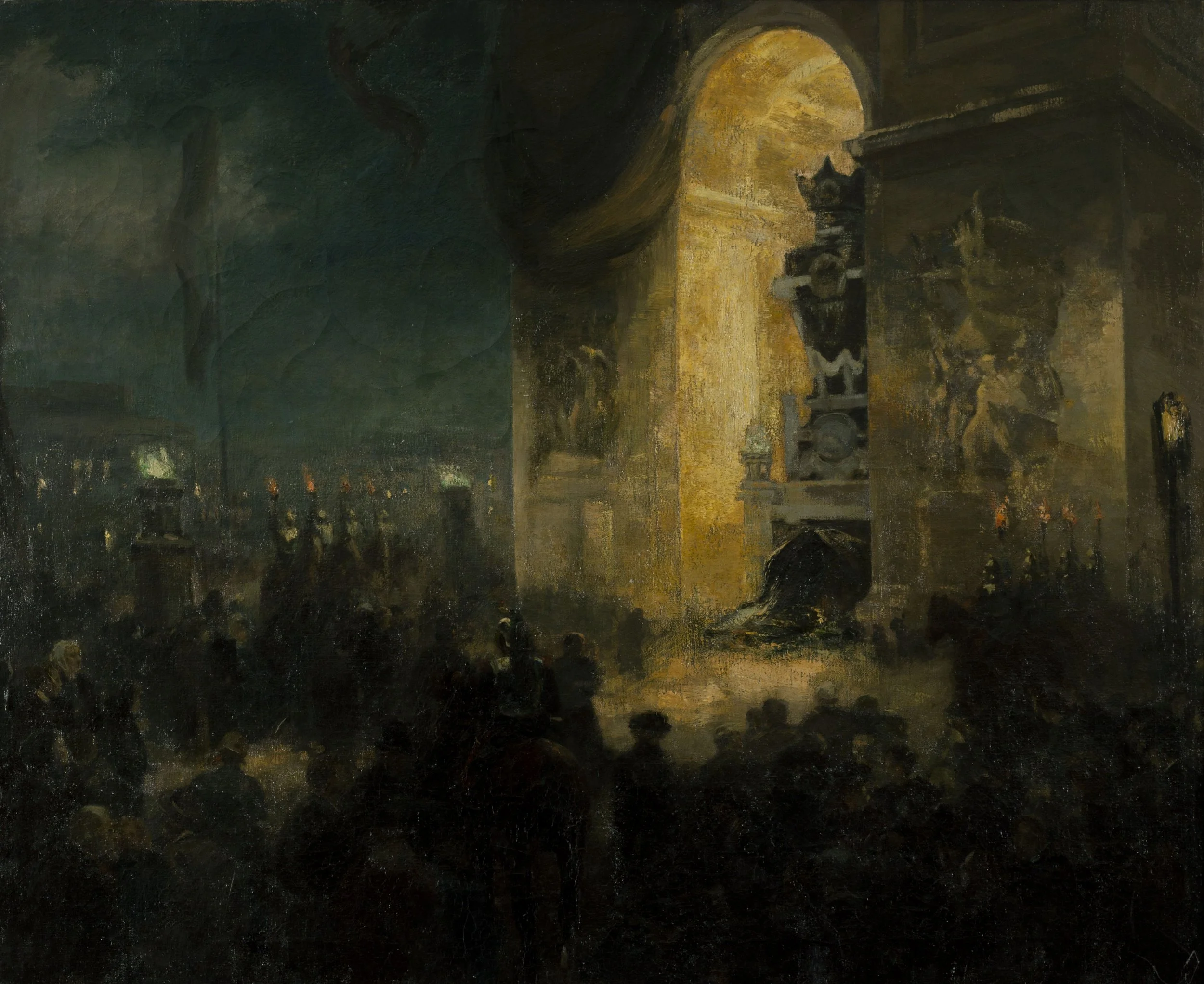
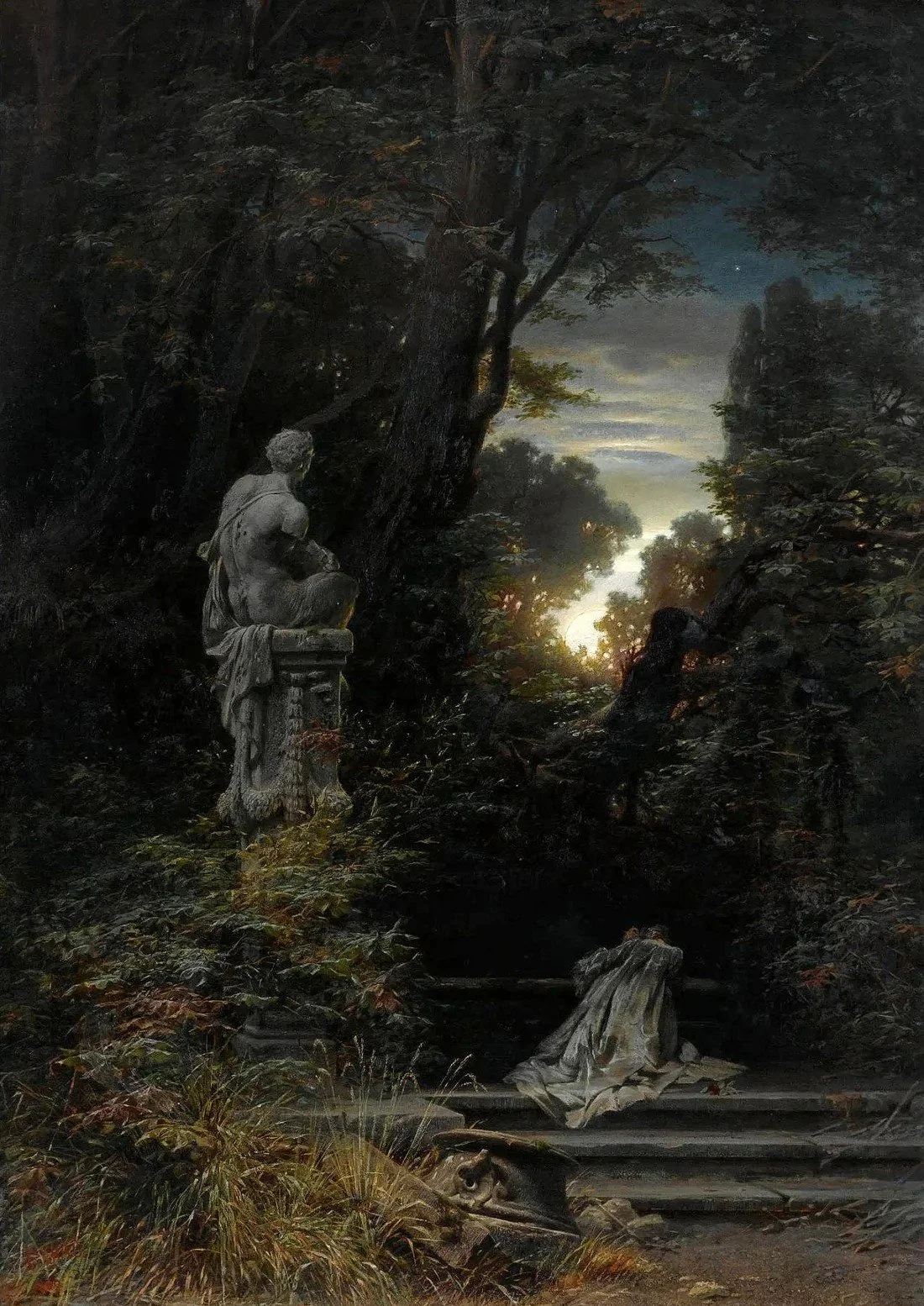
The Archive is a project currently under development with the aim of creating a fully searchable, high quality, digital image library of paintings focusing on academic and symbolist artworks. painters of the 19th century, as well as artworks beyond this movement displaying the same symbolic characteristics. The image archives will then serve as a resource for a series of articles analyzing common technical and thematic patterns.
~
1. Fully searchable
The archive is a resource specifically with artists in mind to use as a painting reference, searchable by subject, theme, artist, etc. Artists will, for example, be able to search how a range of painters tackled the theme of the head of John the Baptist, or Icarus.
2. An archive of Old Master painters, and artworks of beauty.
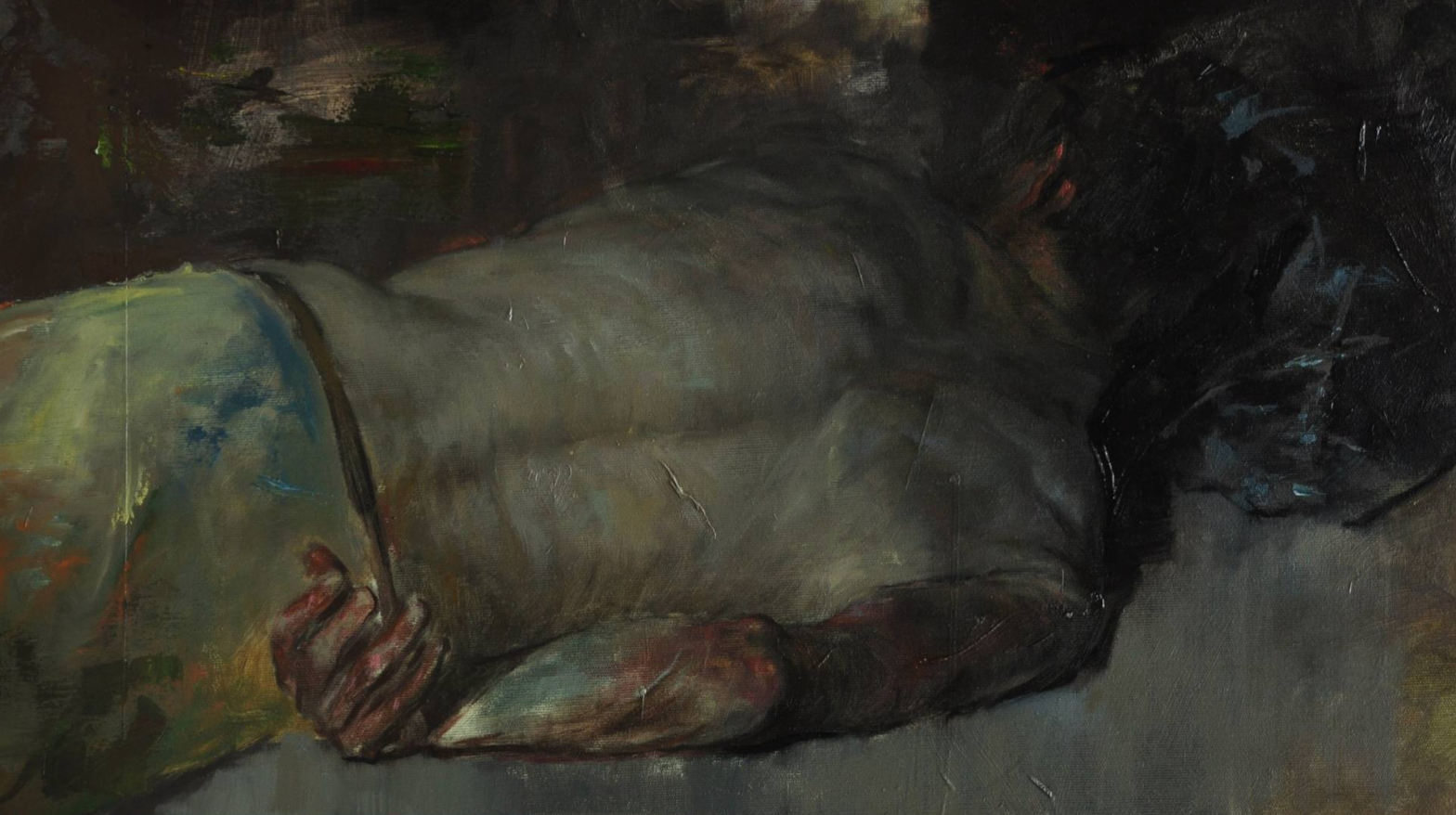
The archive does not seek to be a historical collection of different art movements, but as Carl Jacobsen wrote, to "show my fellow citizens the most beautiful things that art can create and has created".
When creating a new museum is Copenhagen, Jacobsen wrote, "I always wanted the Ny Carlsberg Glyptotek not to be an ordinary museum, mainly for travellers, the curious, art connoisseurs and students, but much more a place that had its own peculiar beauty, to which the people of the city would invariably feel drawn."
It is this same philosophy that Symposium holds.
3. High quality, accurately colour-graded images
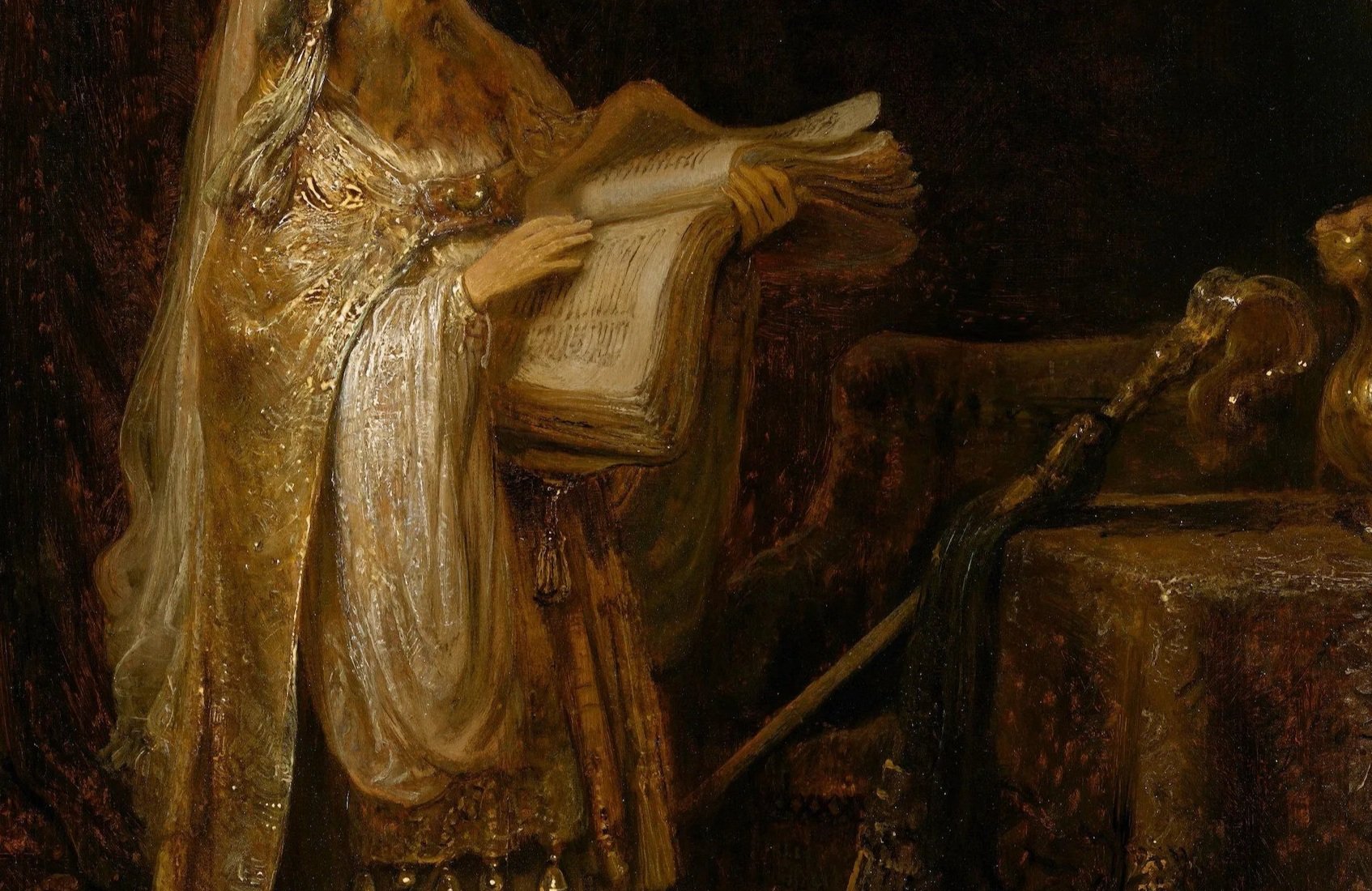
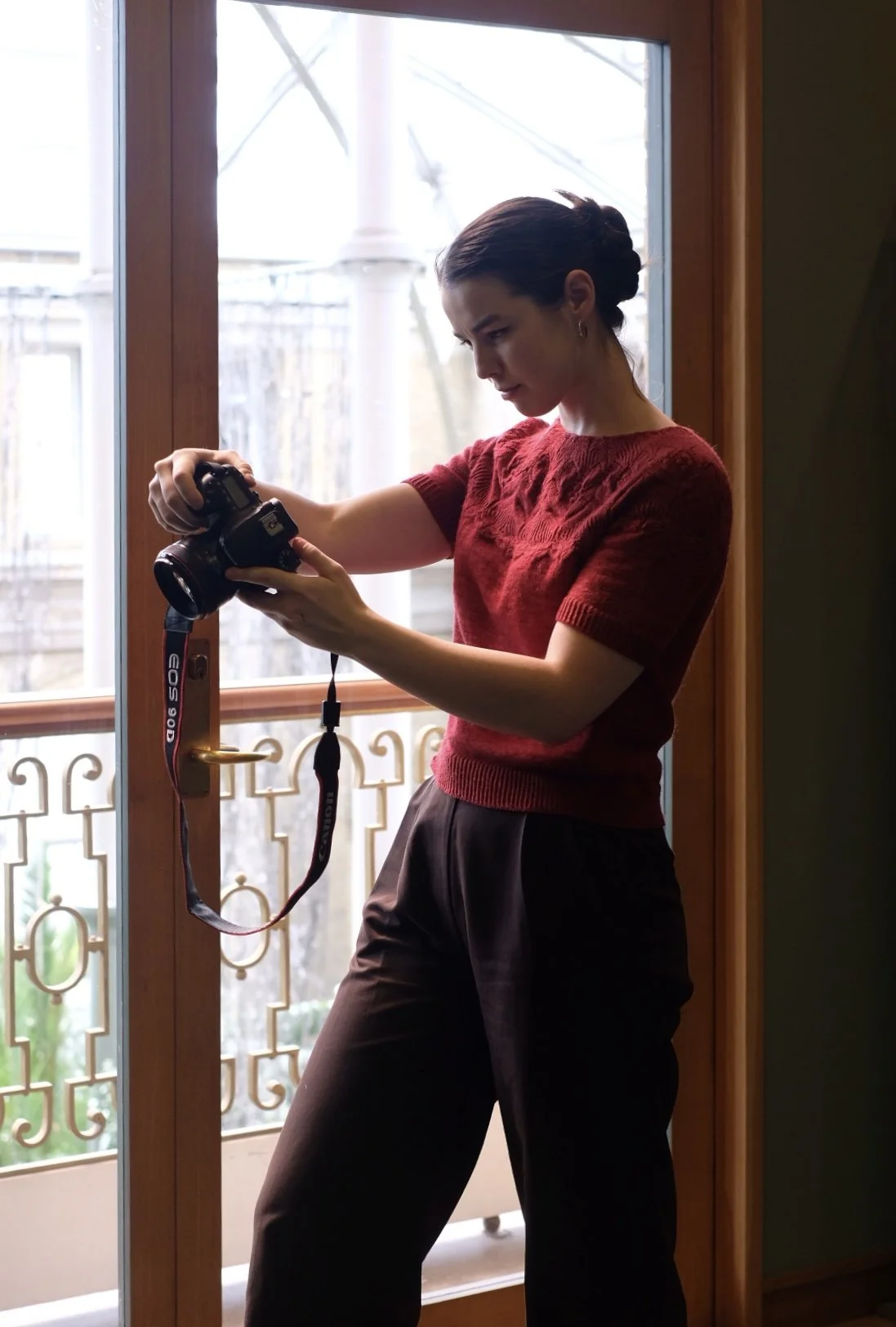
We aim to hold the highest standards in digital quality and accuracy, by either collecting existing images, rephotographing using professional equipment, or contacting institutions for access to their archives. Once the images are acquired, they undergo several checks to ensure their faithfulness to their real life counterpart.
See More
↓
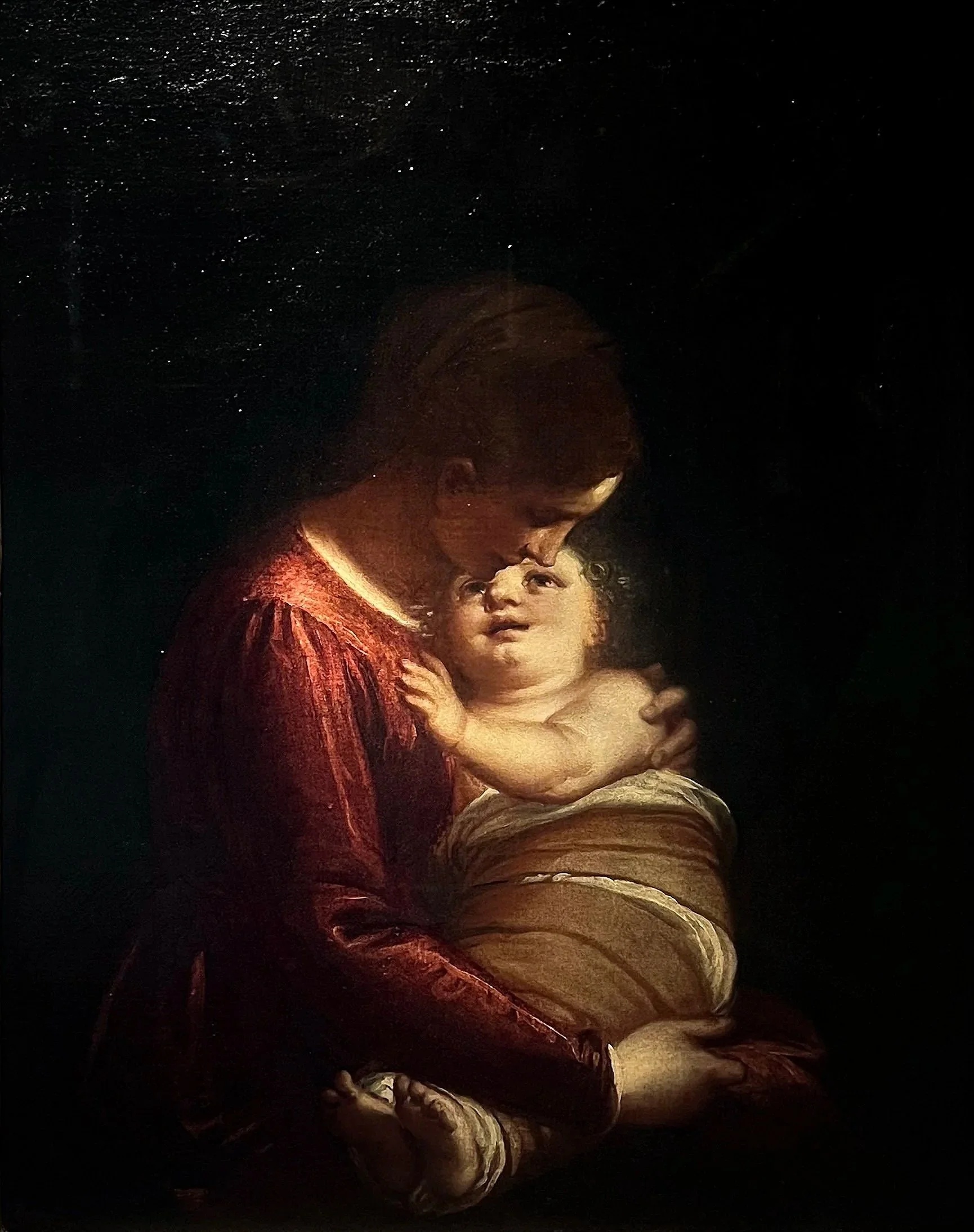
-
Old master painting serve as useful tool to make copies and learn from, and we aim to avoid copies that are impossible to recreate, or impractical to use as a reference.
Here below are Symposium’s routines and considerations when correcting digital images.
Visiting in person: visiting works in person is, of course, the most accurate way to verify the digital accuracy of an online copy. Alternatively, it provides the opportunity to retake a higher resolution image, keeping elements like lighting and white balance in mind.
However, many pieces are inaccessible in archives or private collections with no public interaction permitted. In these (frequent) cases
Official museum catalogue: sometimes museum catalogue images don’t appear in google images, so it’s useful to go to the website of the museum where the painting is stored and search directly through their catalogues. Searching in the title’s original language is sometimes necessary too.
The artist’s palette: look at the artist's other work: what palette do they typically lean to? Is this copy radically different?
Physical properties of paintings: paintings reflect light while your phone and laptop emit light, such that images with an overly heightened contrast can have brightness not possible to achieve with a painting. Images in the archive are edited with this constraint in mind.
Yellowing: often painting images with a strong washed yellow or golden tint are likely to have been edited.
Additional online videos or pictures: many people who have been to museums will upload their own . Searching through social media platforms can provide collective references with which to help hone an accurate colour grading.
AI: We under go a thorough process of ensuring the artwork in the archive is completely without the interference of AI. Read More.
The images in the archive serve a purpose for artists, and as such require a digital accuracy. However, technology is a tool, and the new digital life of these artworks can also provide a fascinating age-old consideration.
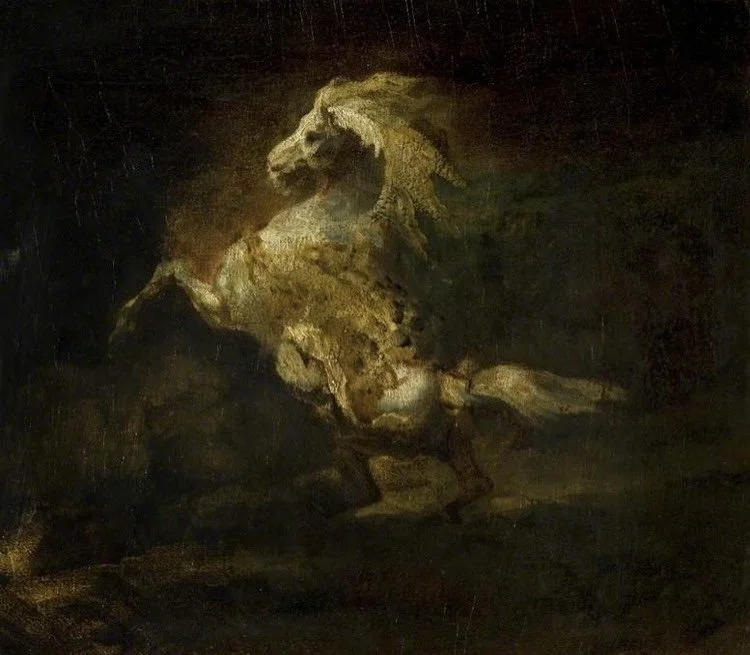
Retaking
So far Symposium has traveled to cities in Scotland, England, Denmark, France, Italy, Greece, and more, in search of collecting high resolution images of great paintings when none can be found already available.
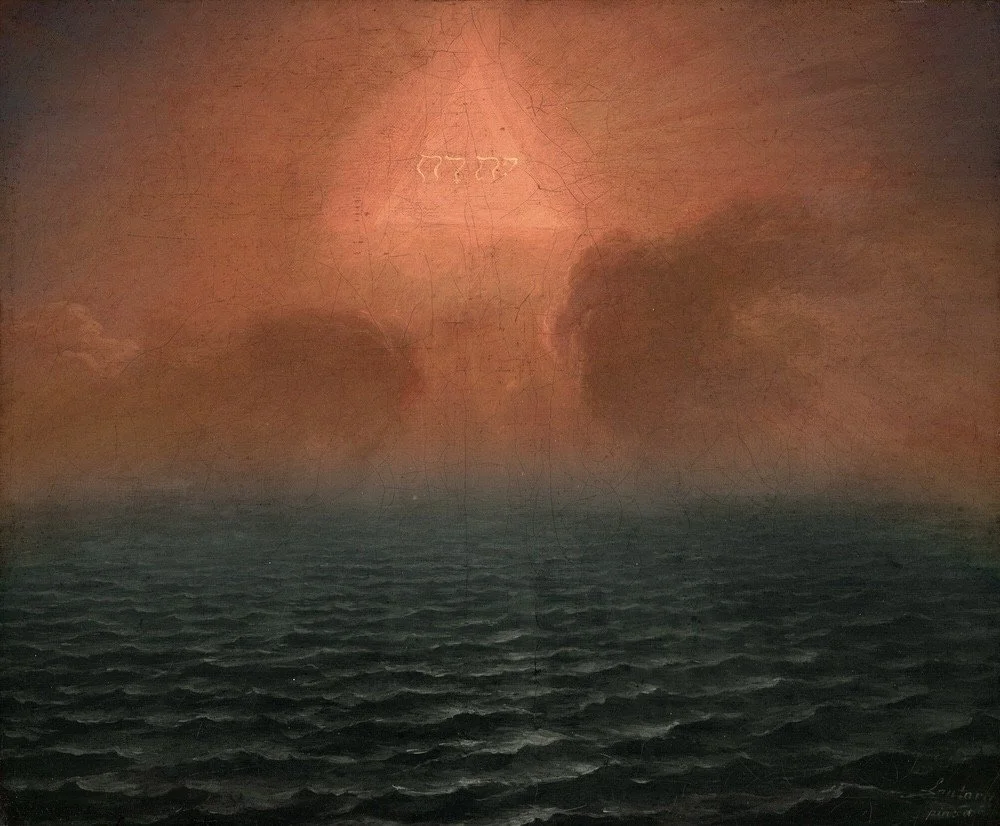
Recolouring
Sometimes high resolution images online have distorted colour grading. Symposium seeks to verify the painting’s true colours through various means to fix this.
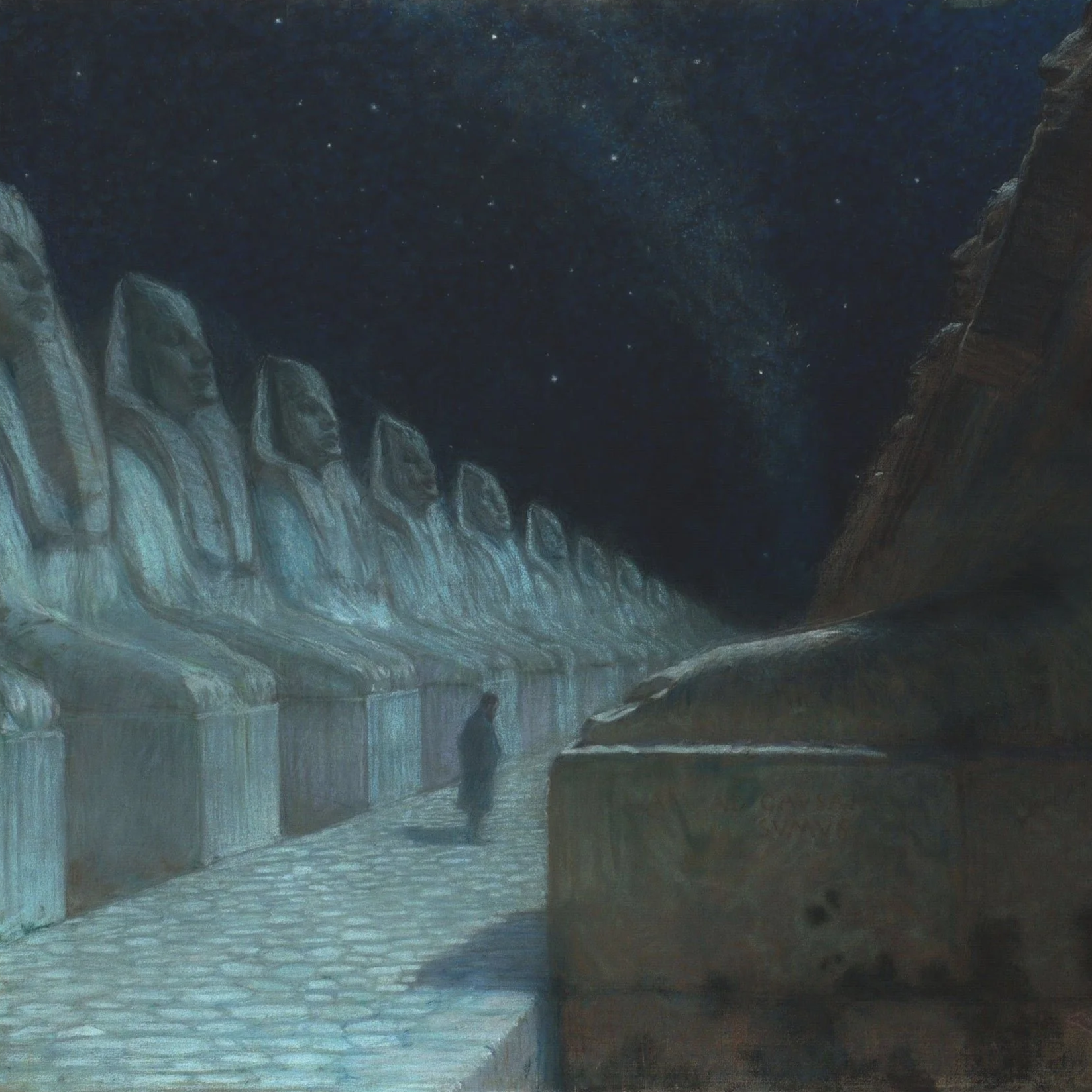
Correcting Information
Often misattribution to paintings can spread due to a lack of thorough research. Symposium makes sure to verify to the best of our ability the correct artist, medium, size, and location of each work.

2026
Copenhagen
Donate to support Symposium
Symposium is gratefully relies on volunteer work. Your donation helps ensure it keeps running.
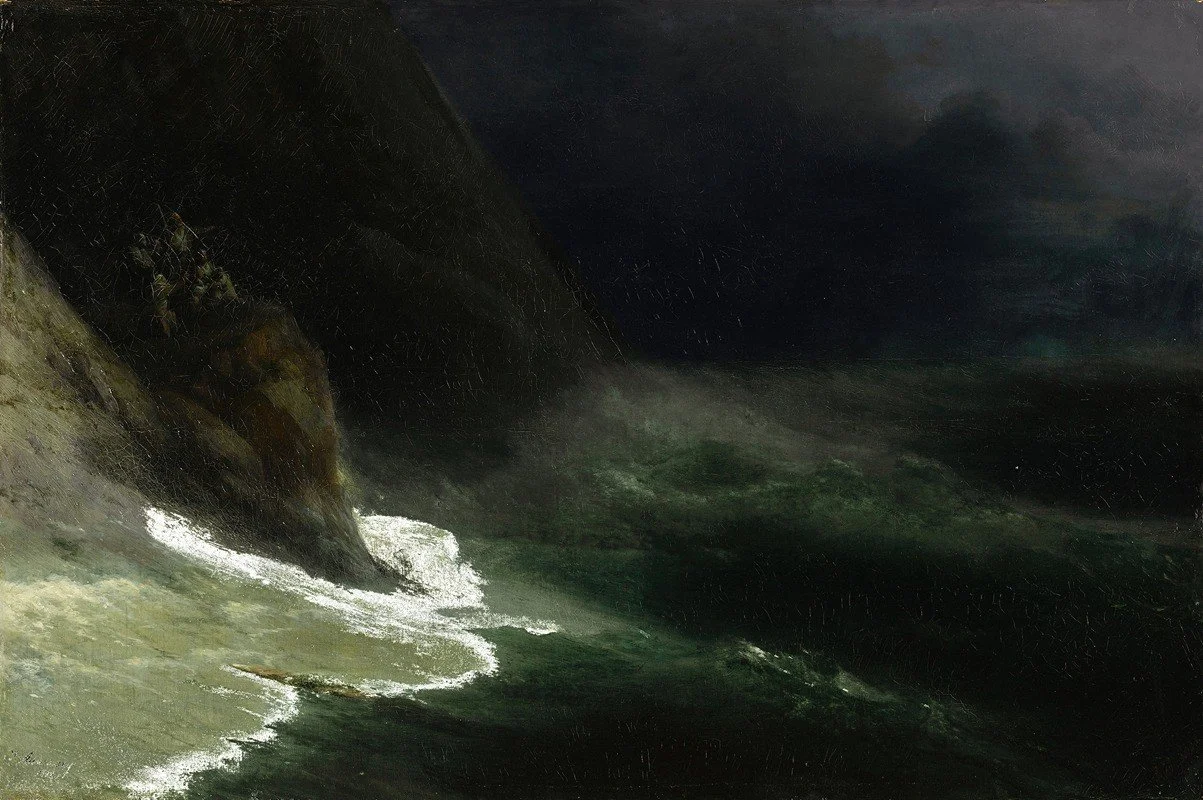
They held the belief that in these ancient stories, there lay a beauty that was relevant to their century’s struggles, and forged new ways for current audiences to connect to them.
Philosophy
“
”
How the Symbolist painters of the fin de siècle feed into our philosophy.