What is the Texture of a Memory?
n
Why are old photos so beautiful? What do they reveal?
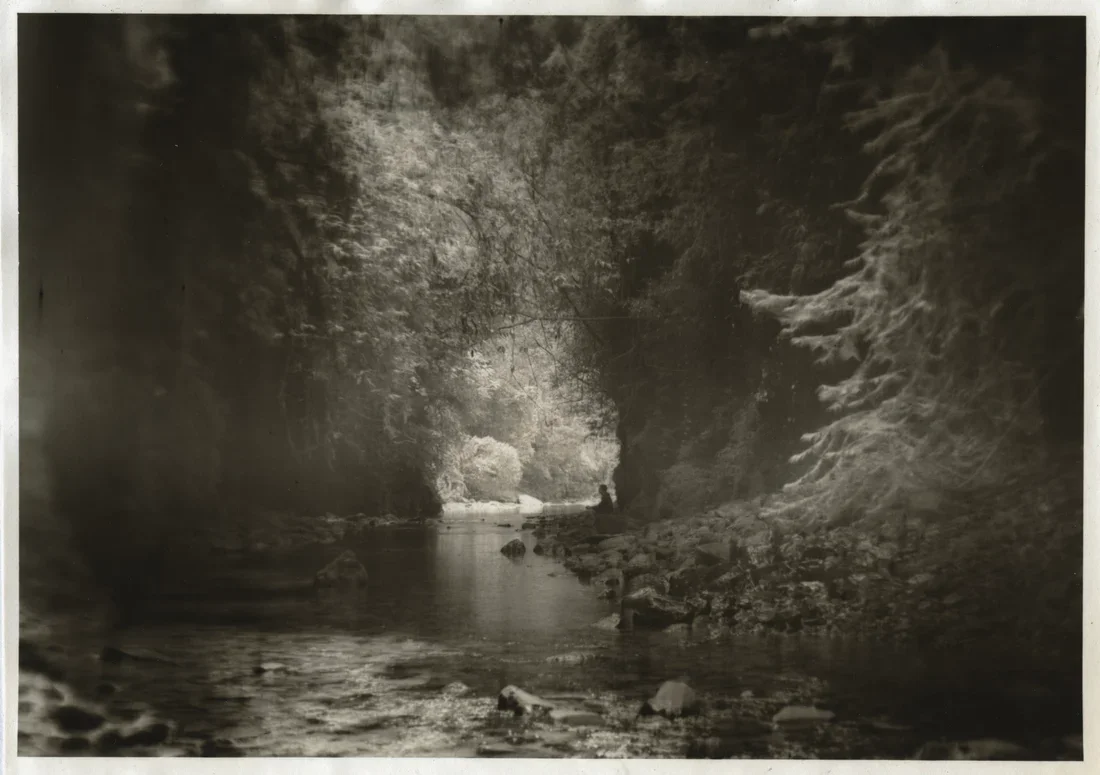
#1341, Zhao Han, Silver Gelatin Print
I discovered Zhao Han’s photography in 2022, and was immediately moved. I felt the ache of longing, a wistfulness, and an deep weight that was somehow intertwined with the clarity and radiance of light. It was as if the roaring mountains of Ansel Adam’s photographs had been found hundreds of years later, faded — not the remnants of a moment, but of a memory.
One of the photographs I now own is part of a series entitled Fusheng.
On the 9th September 2026, he wrote a short letter for Symposium taking us back to the beginning of the creation of this series a long time ago. But before you read on, look at these photos for a moment, and reflect on what they evoke in you.
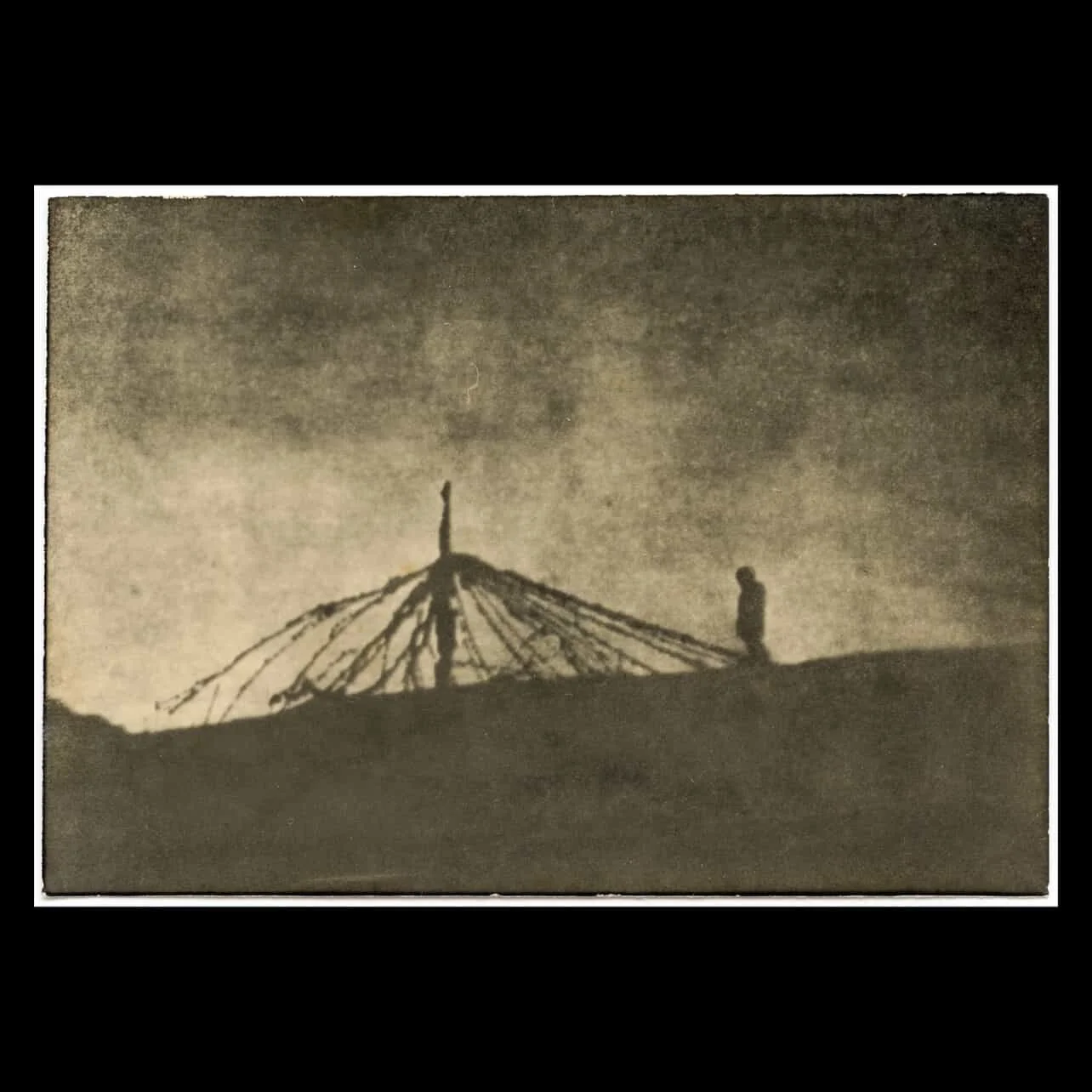
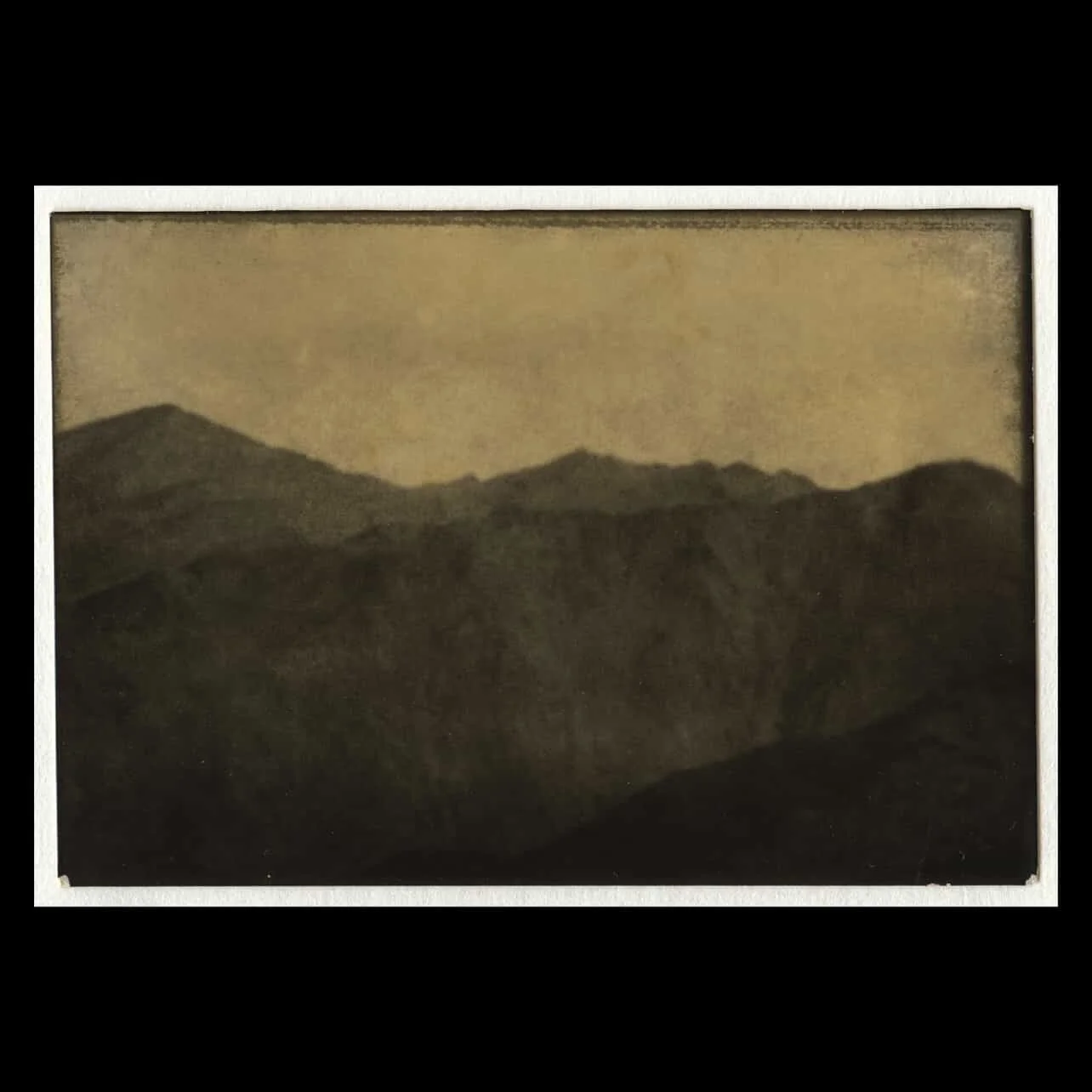
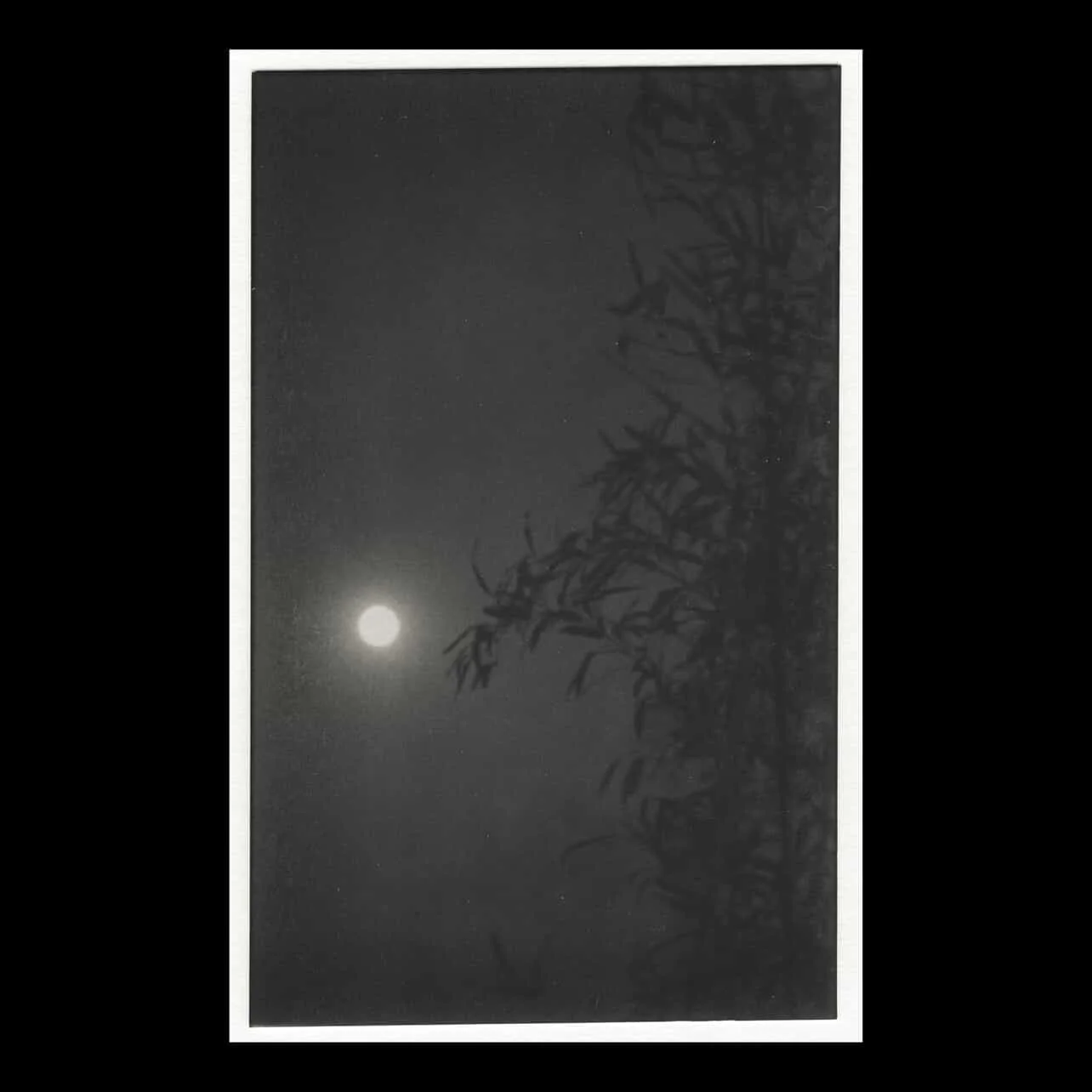
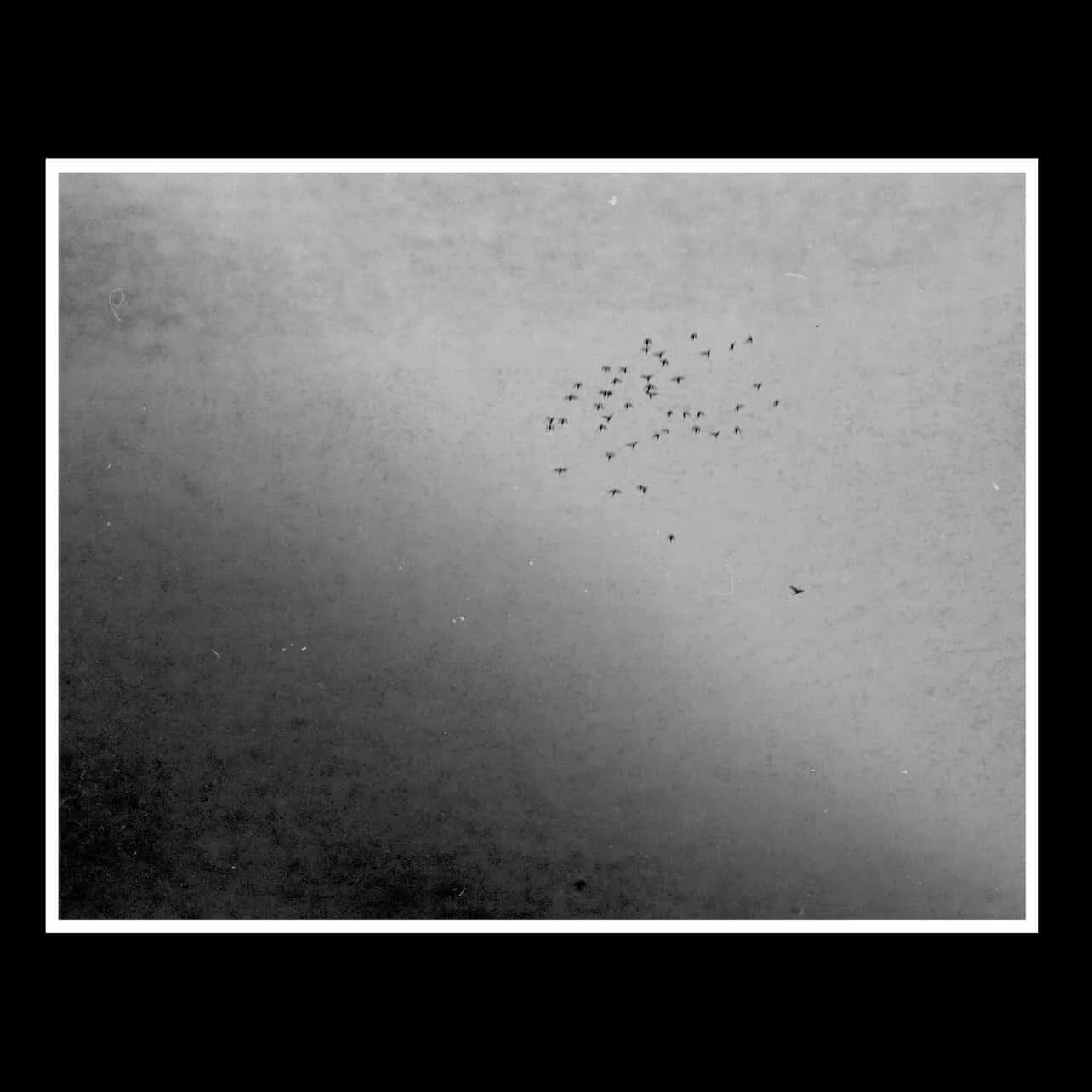
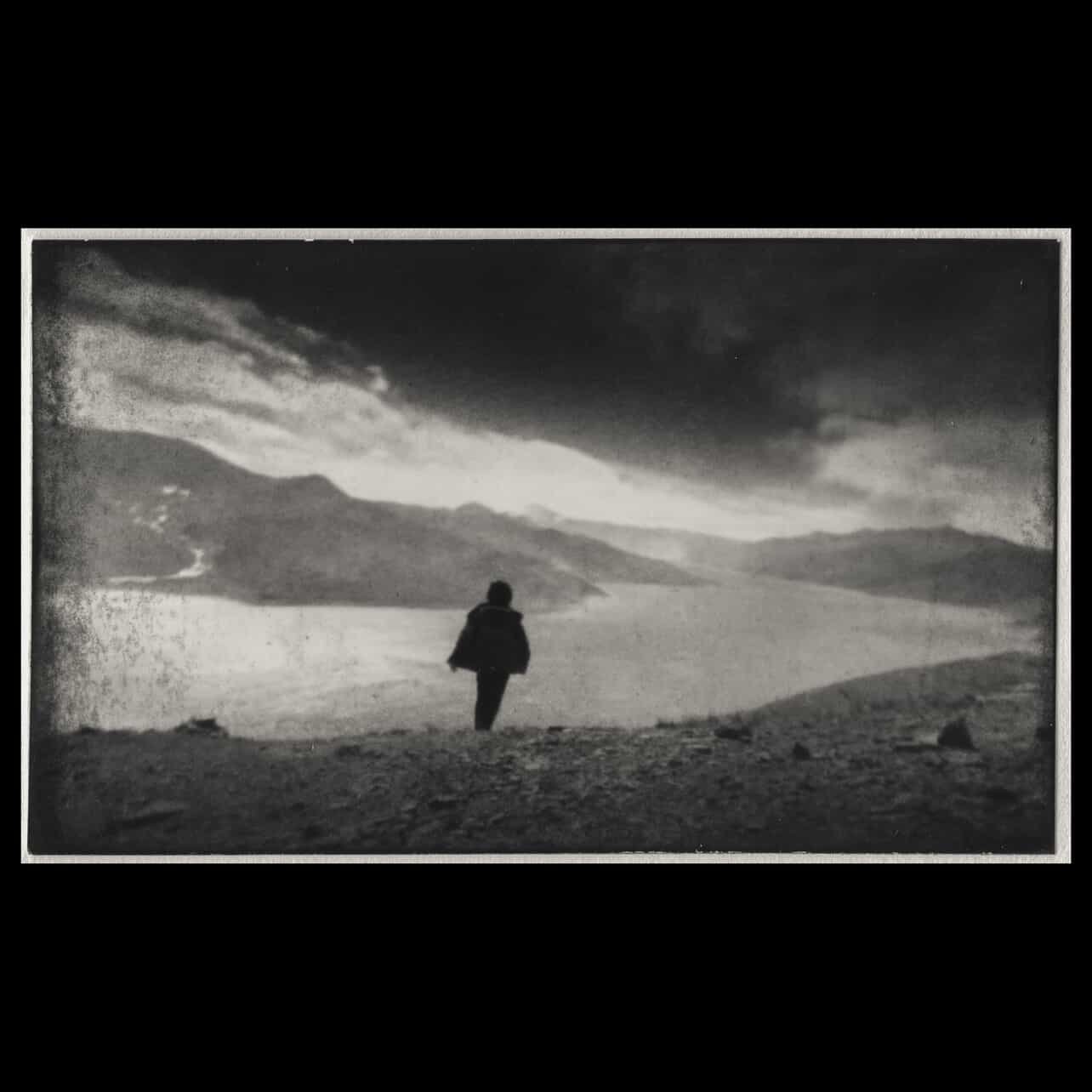
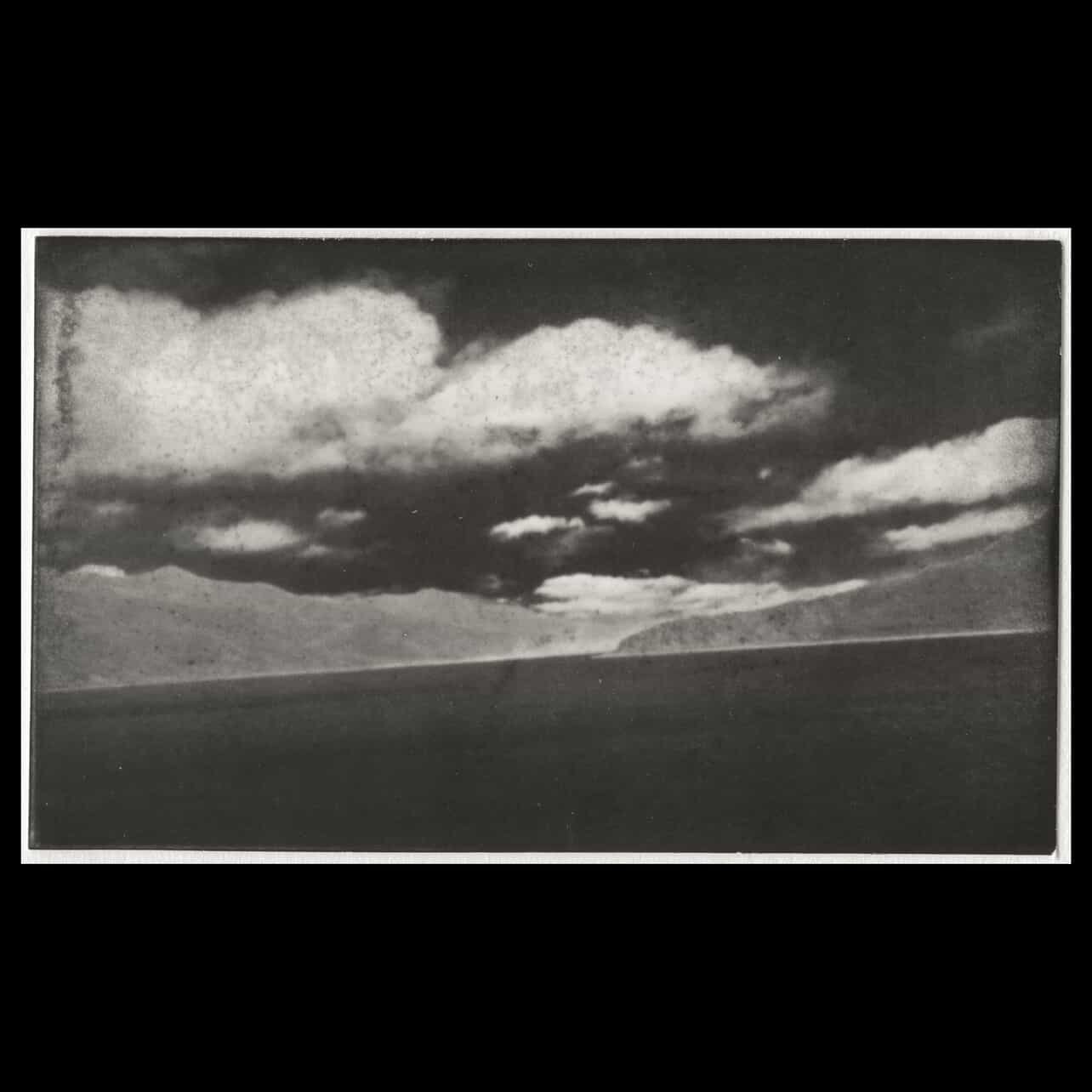
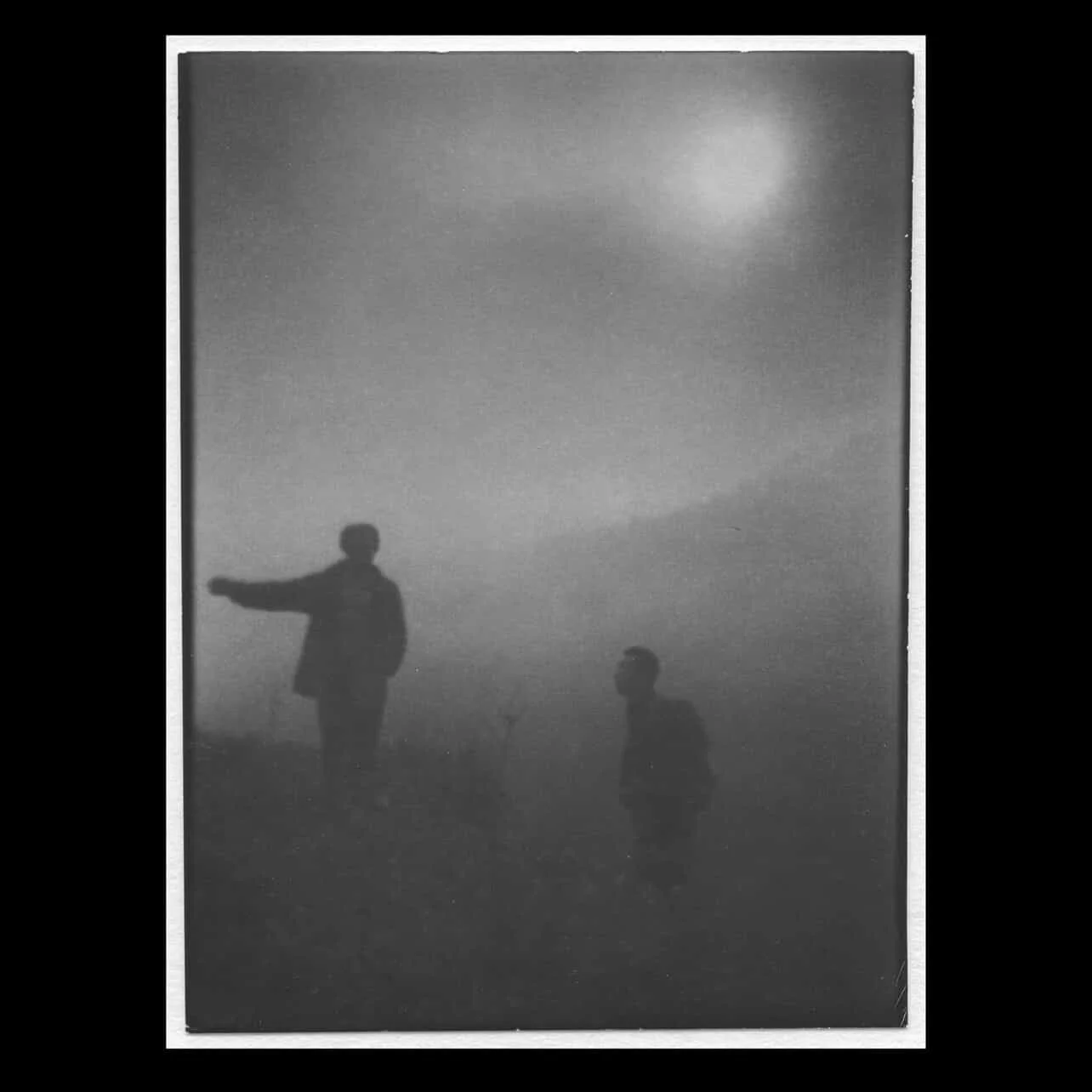
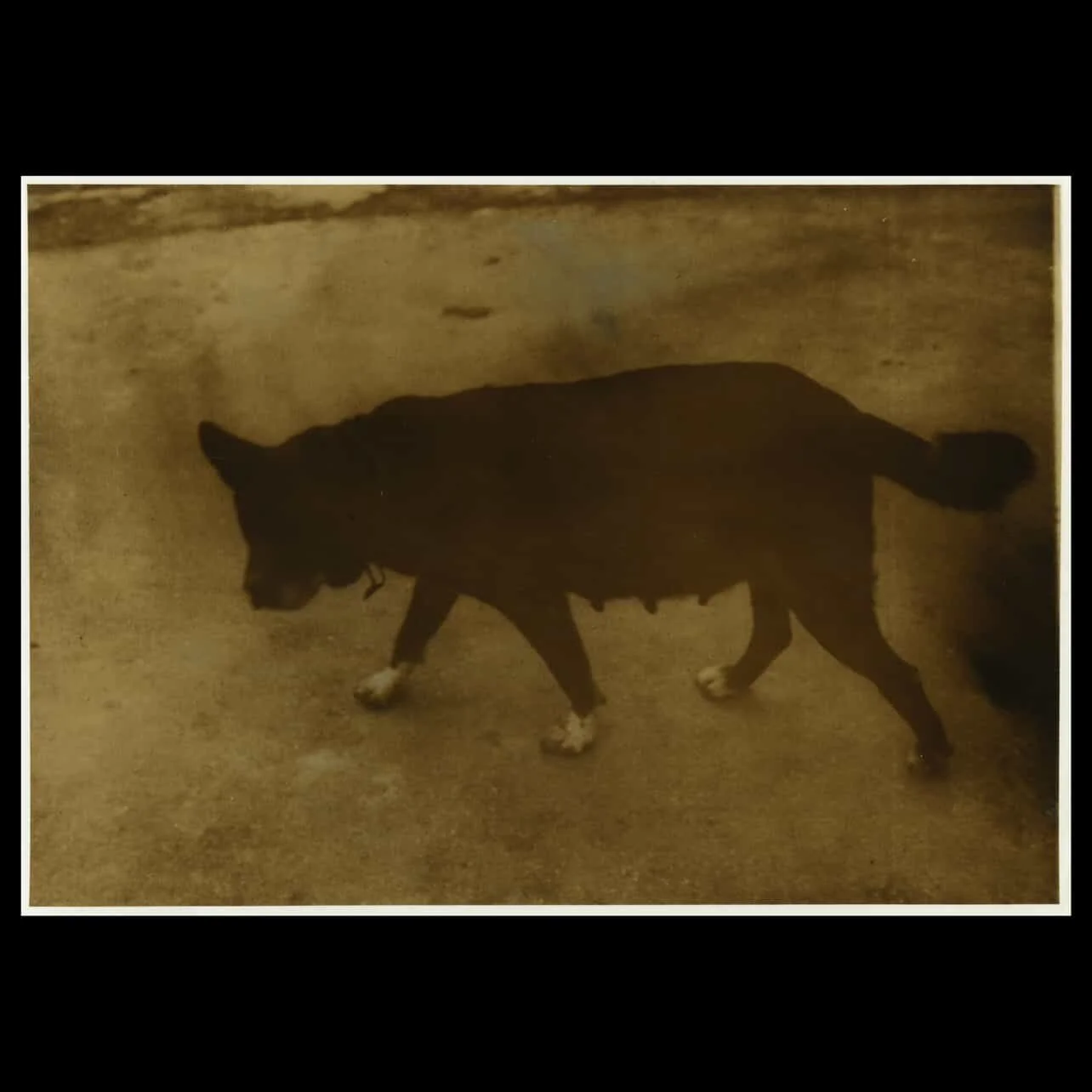
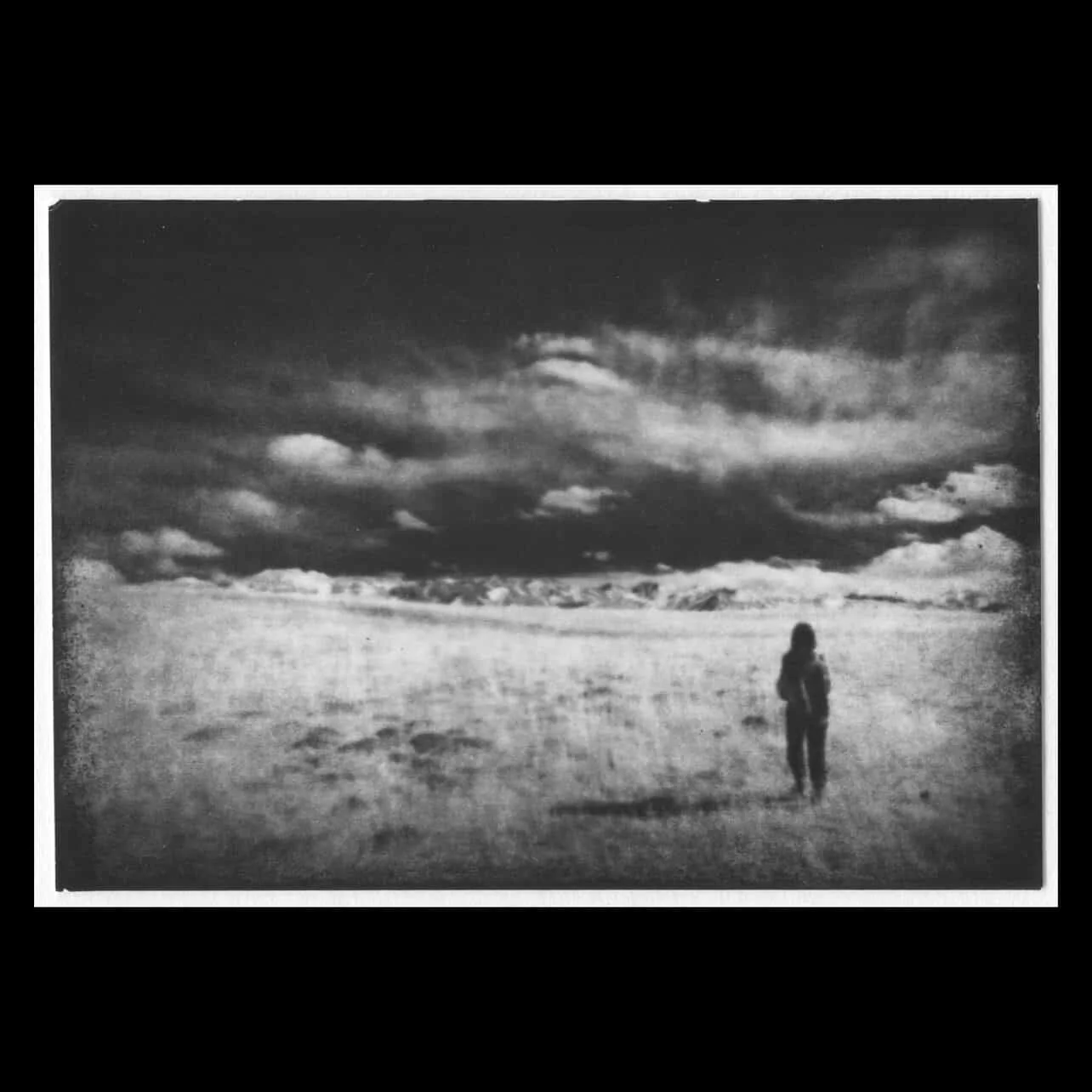
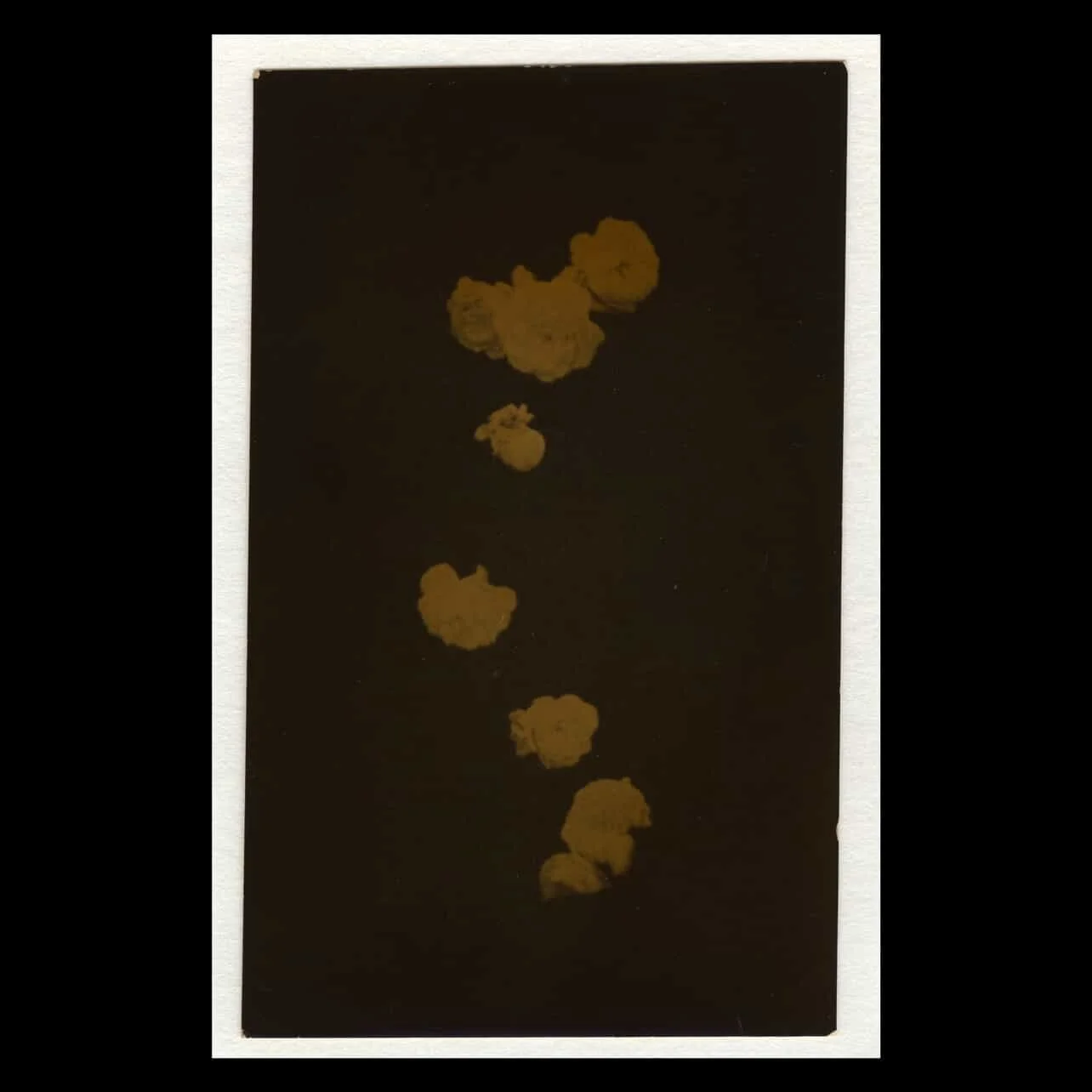
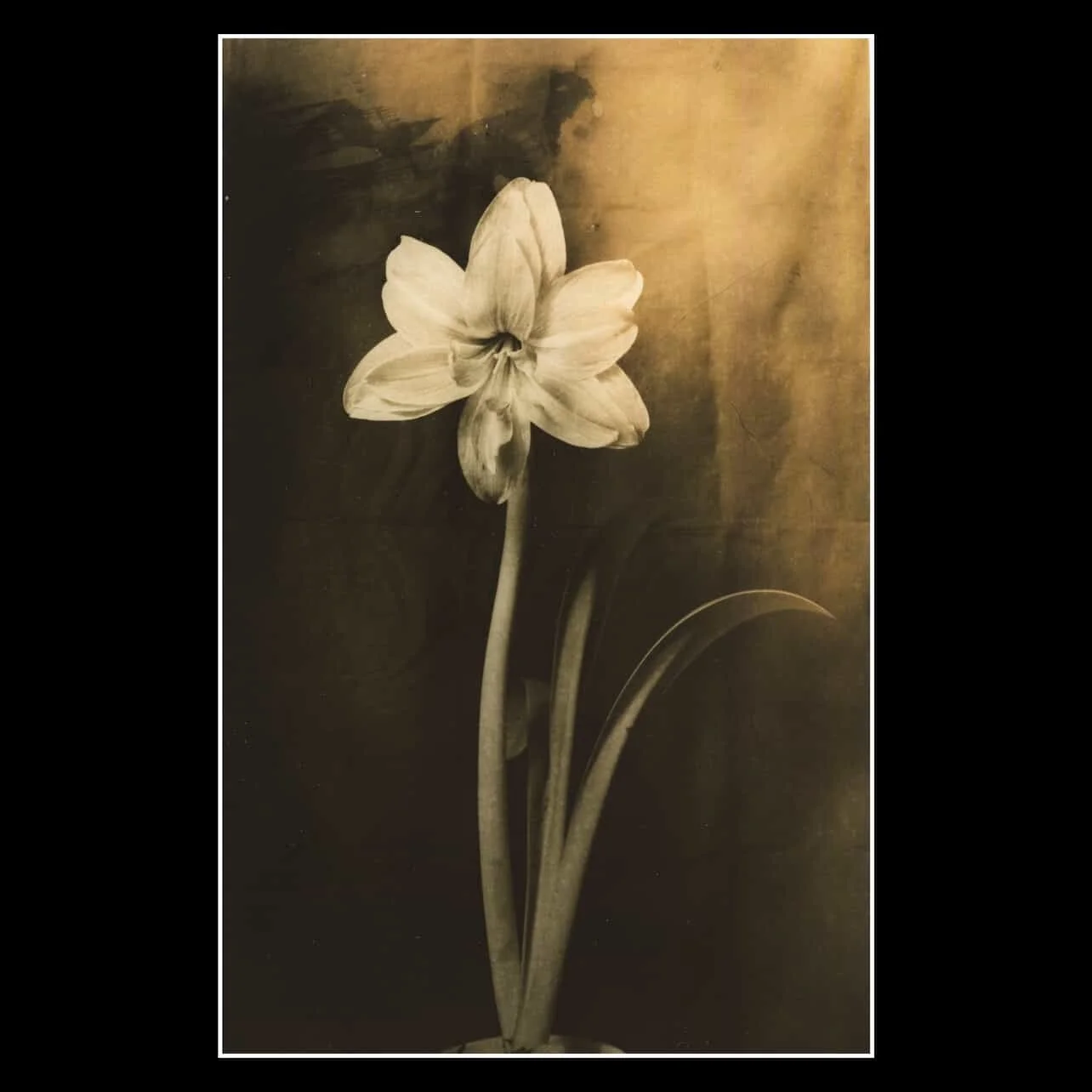
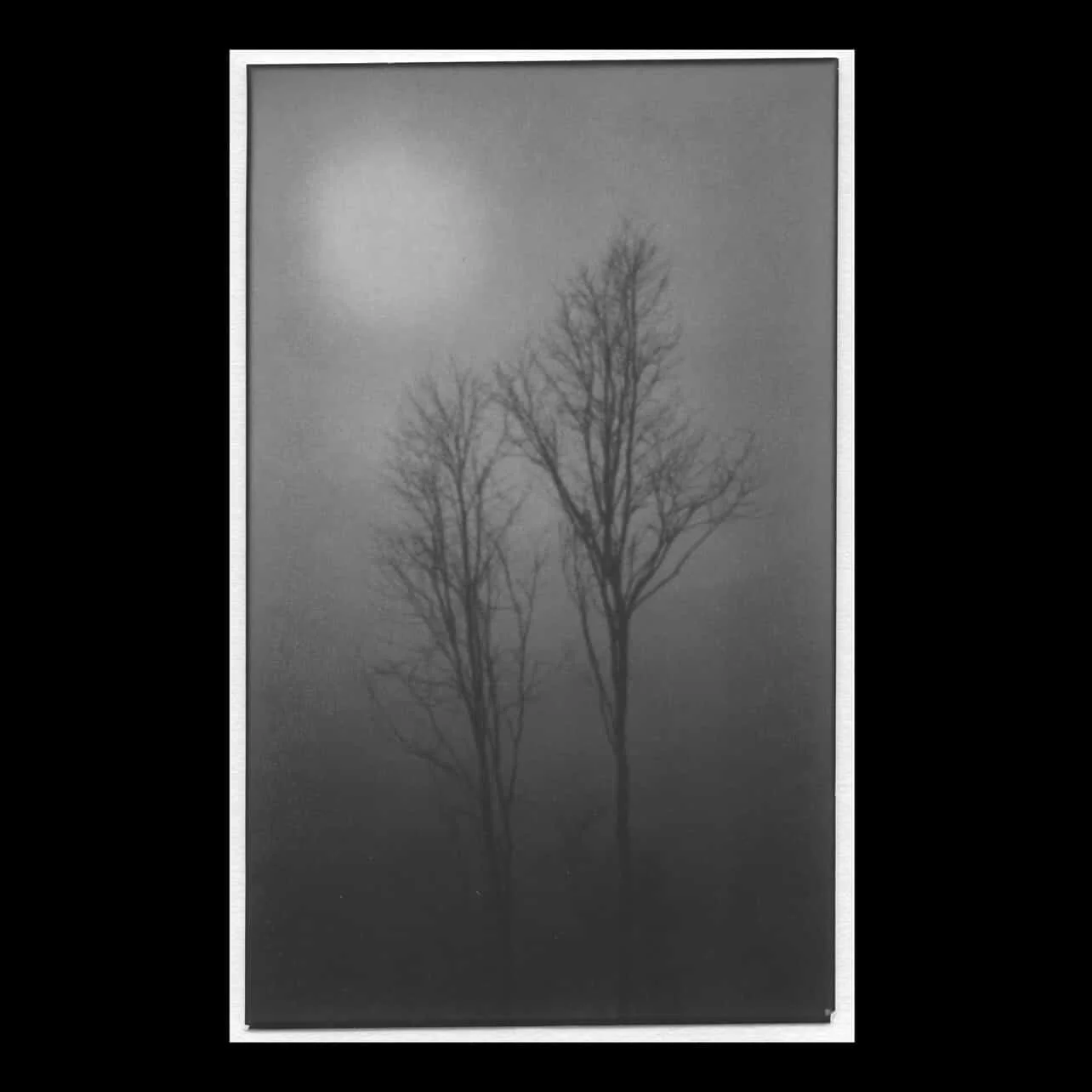
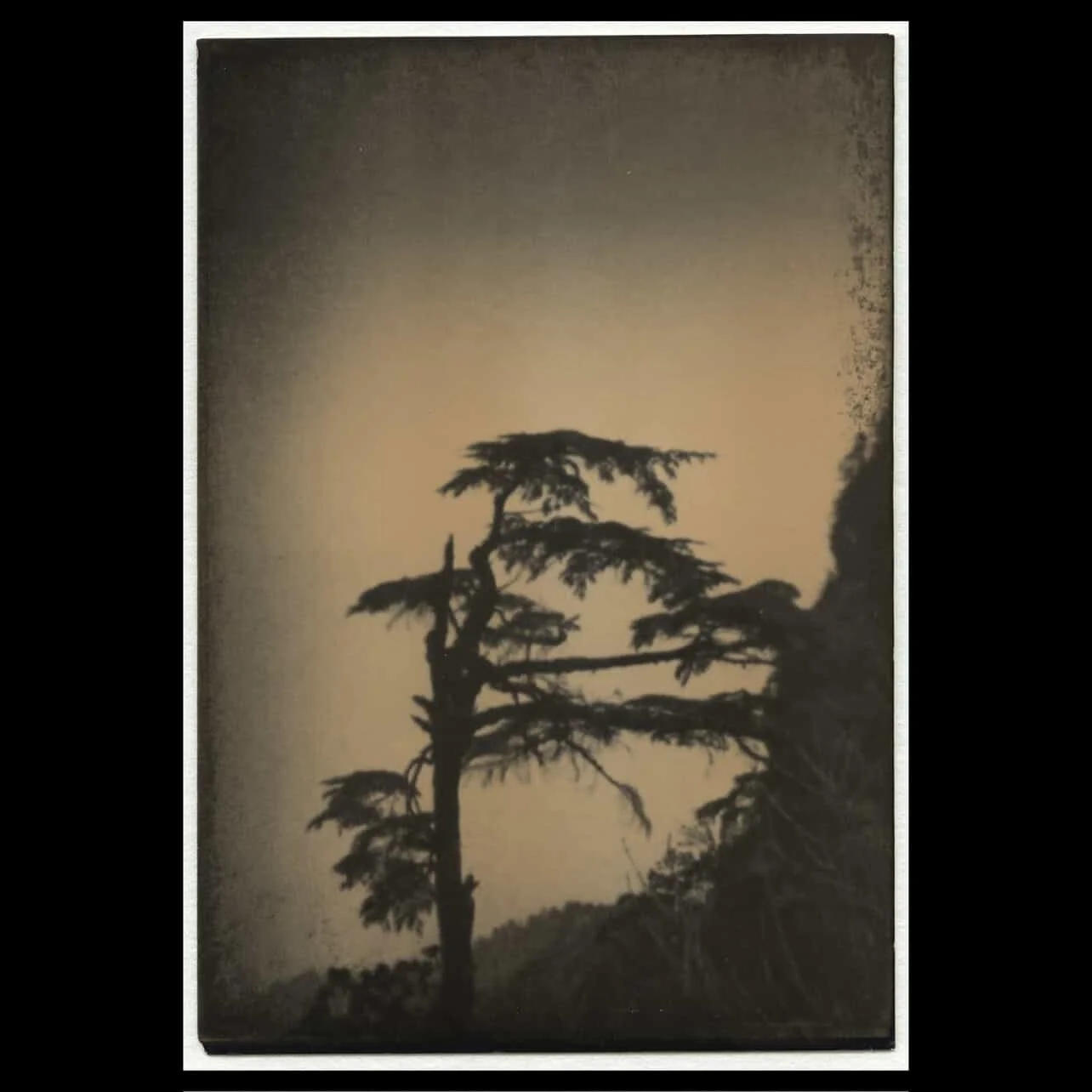
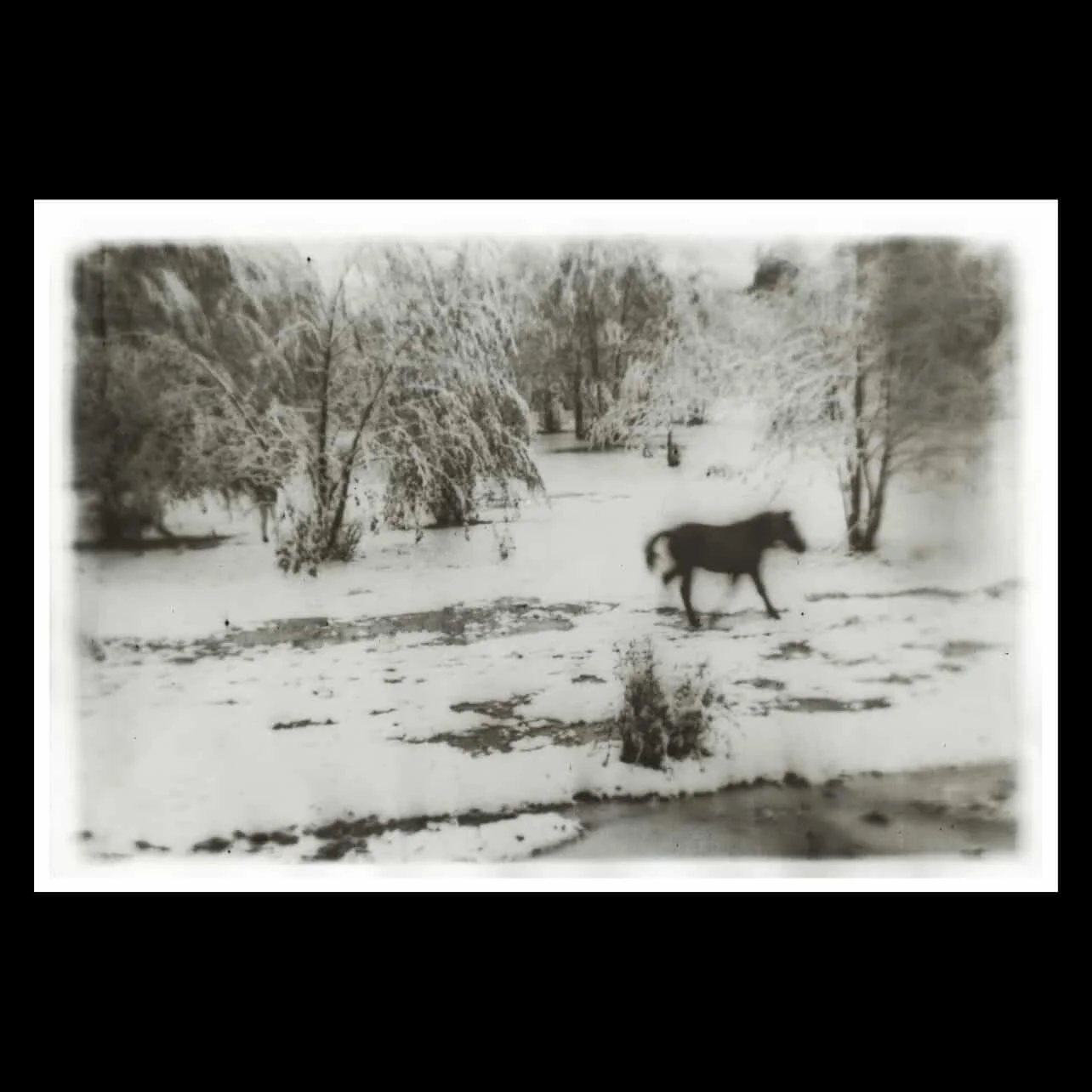
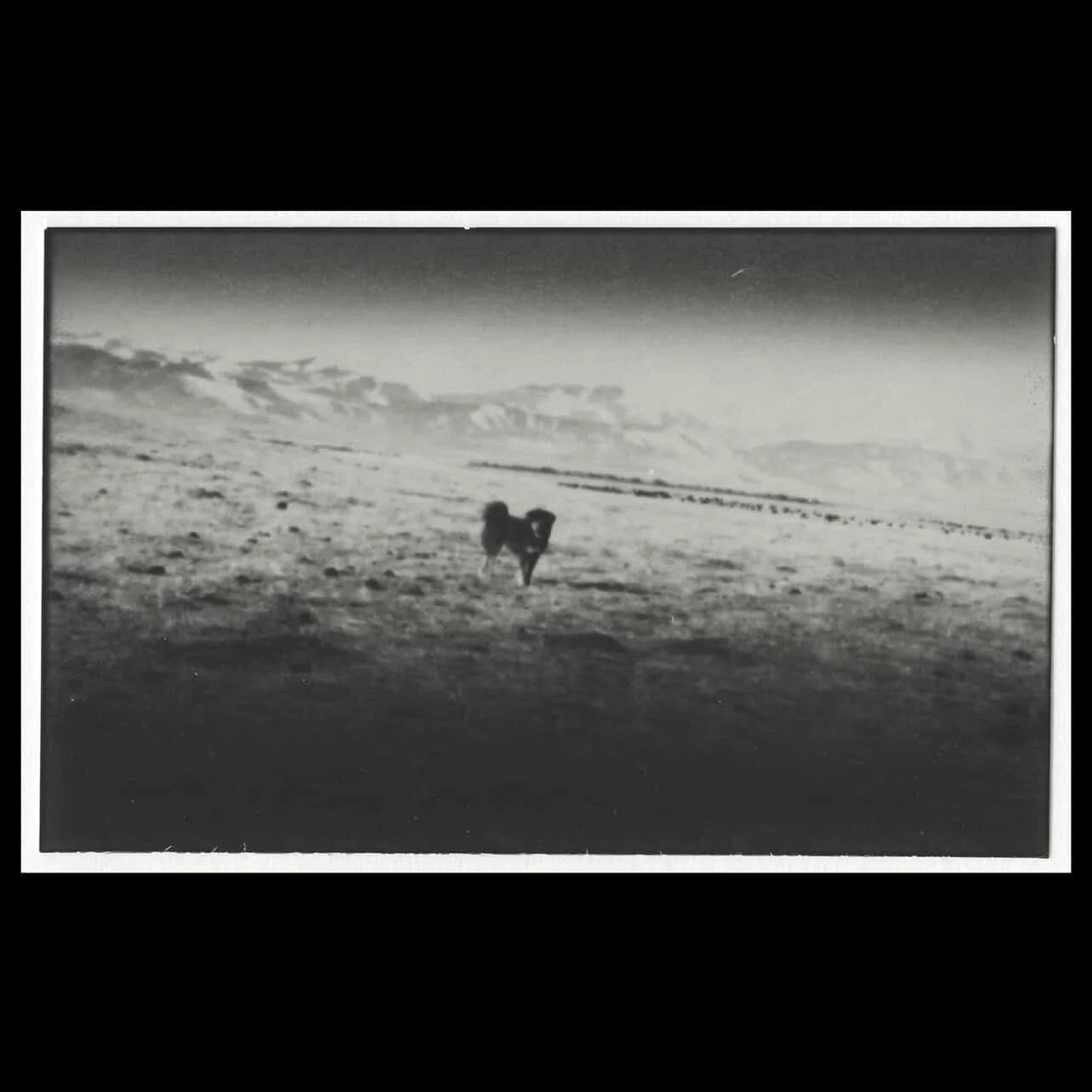
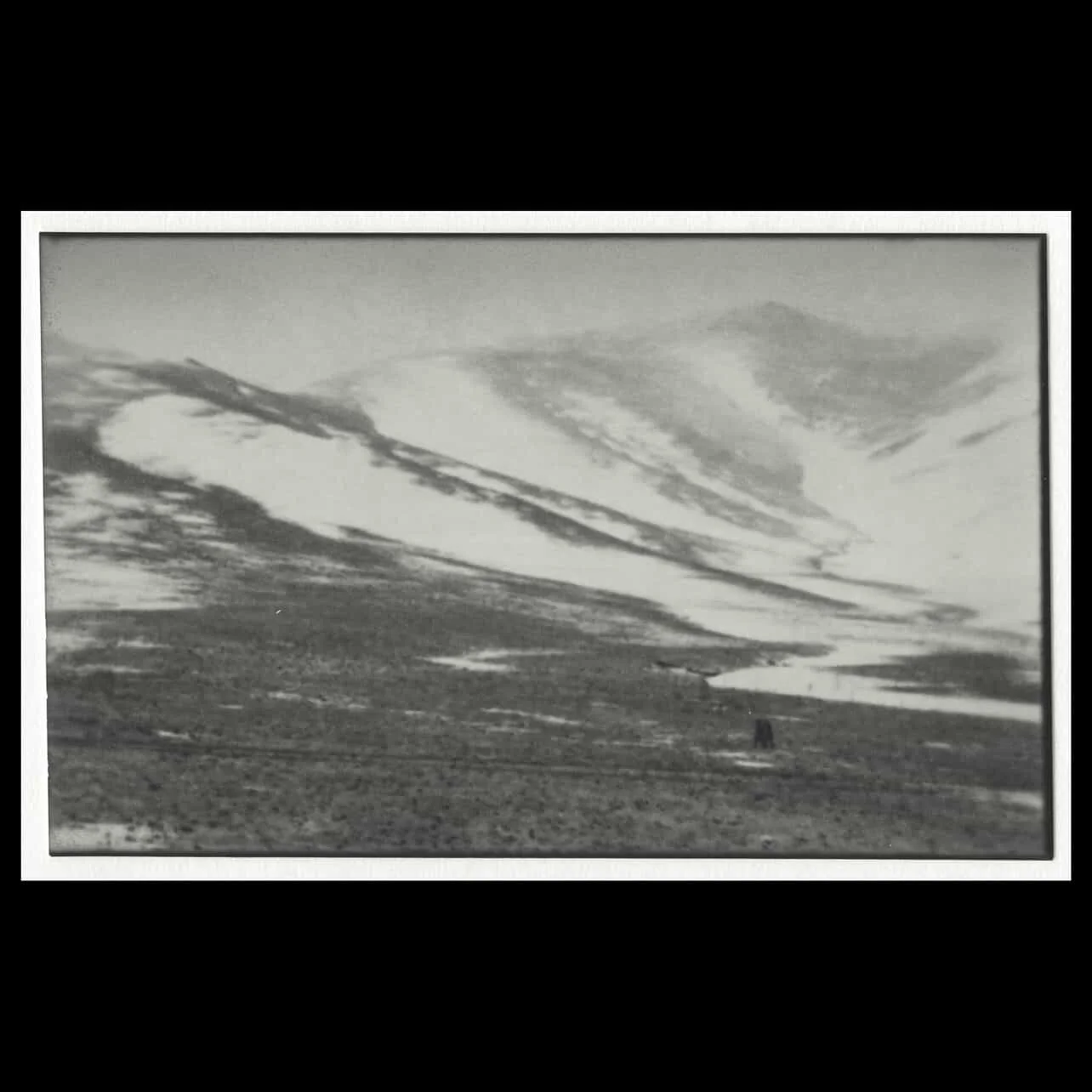
In Memory of Fusheng
I have felt incredibly fortunate lately; after a fall in a canyon, a chance encounter with a mountain healer allowed me to regain the use of my arm for writing. The lingering traces of pain fill me with gratitude while keeping me grounded—a familiar state of mind that was, in fact, one of the reasons I originally created the Fusheng series.
These photographs differ from my other work; they were taken over the past twenty years, long before I became a photographer or had a portfolio. They are simply records of ordinary life. I selected them for a single purpose: to commemorate my dear friend, Fusheng.
The images were captured using various means—mobile phones, cameras, and video stills—making them both spontaneous and authentic. I made no deliberate attempt to categorize or sequence them; aside from their chronological order, there is no narrative link between them. I printed them by hand in the darkroom using the traditional silver gelatin process on silver bromide fiber-based paper that had expired decades ago. This gives them the texture and tone of vintage photographs, evoking a sense of time passing and the melancholy of losing a friend.
Fusheng was a remarkable artist, and the fact that I will never see him again brings a pain beyond words. Creating these images has brought me solace, and I believe they will offer comfort to those who loved and cared for him as well.
Zhao Han
September 9, 2026
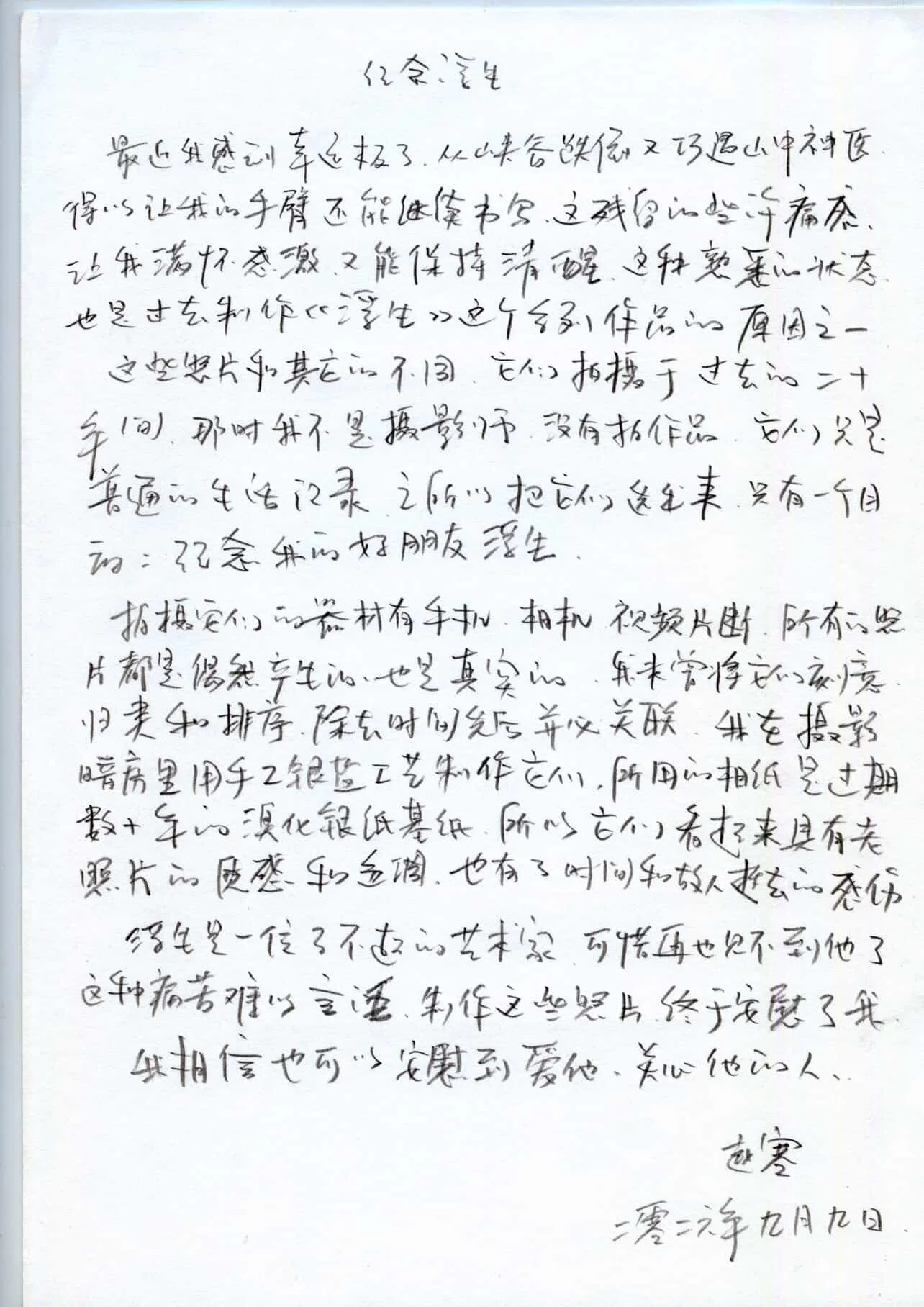
The original letter of the above translation.
What is it about film photography, silver gelatin prints, tintypes, and organic forms of photography that move us so differently than digital photos?
It captures human perception in a way paintings have been taking advantage of for years.
~
The Natural World
Harold Speed famously coins the term ‘dither’ to refer to the organic variation that natural materials and successful drawings achieve. This organic chaos – texture, imperfections, smudges – infinitely highlights the overall order that unites each part of the artwork more than if every element was rightened in its place.
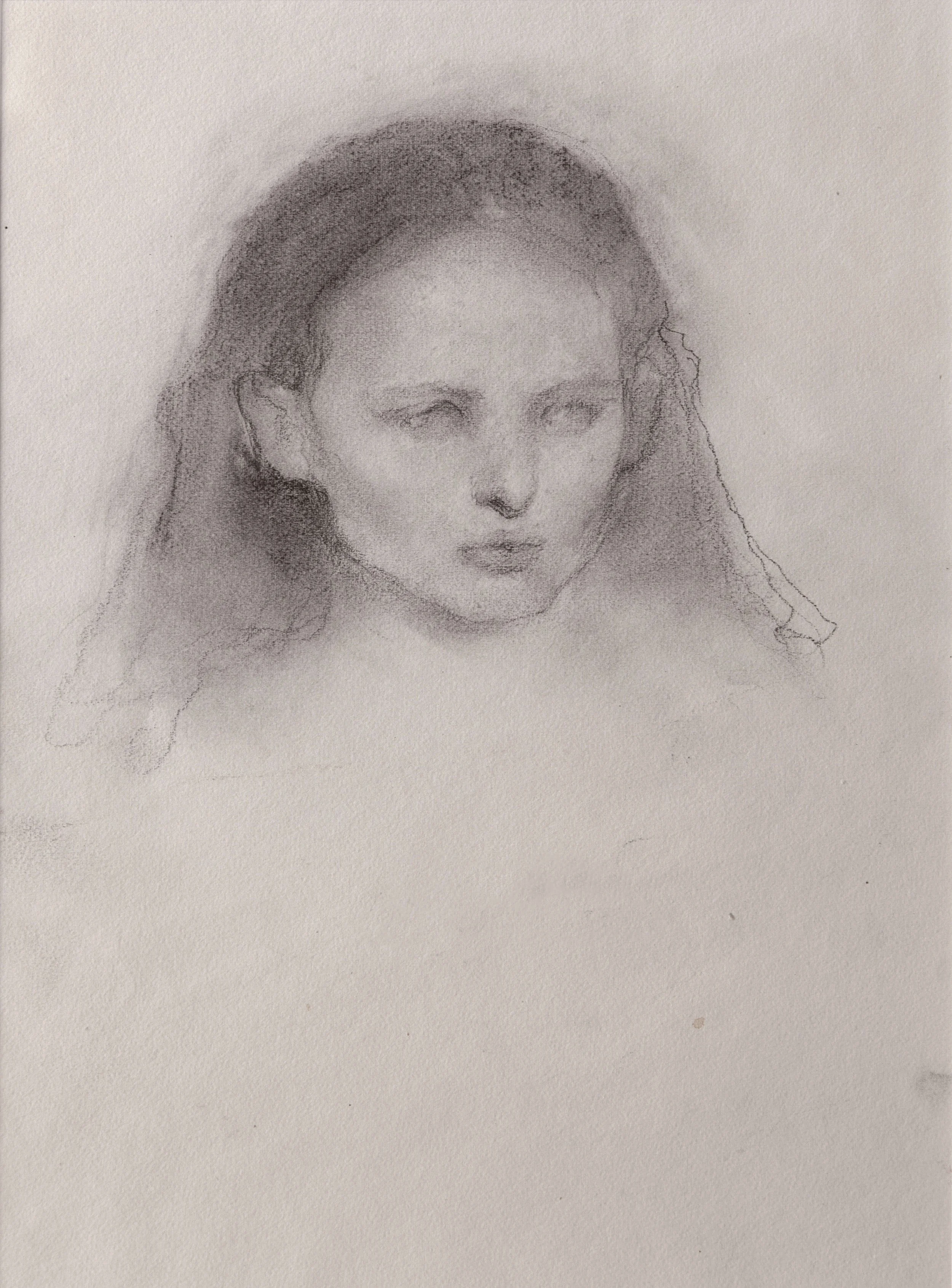
Aftur, Odd Nerdrum, 2011, Graphite on paper
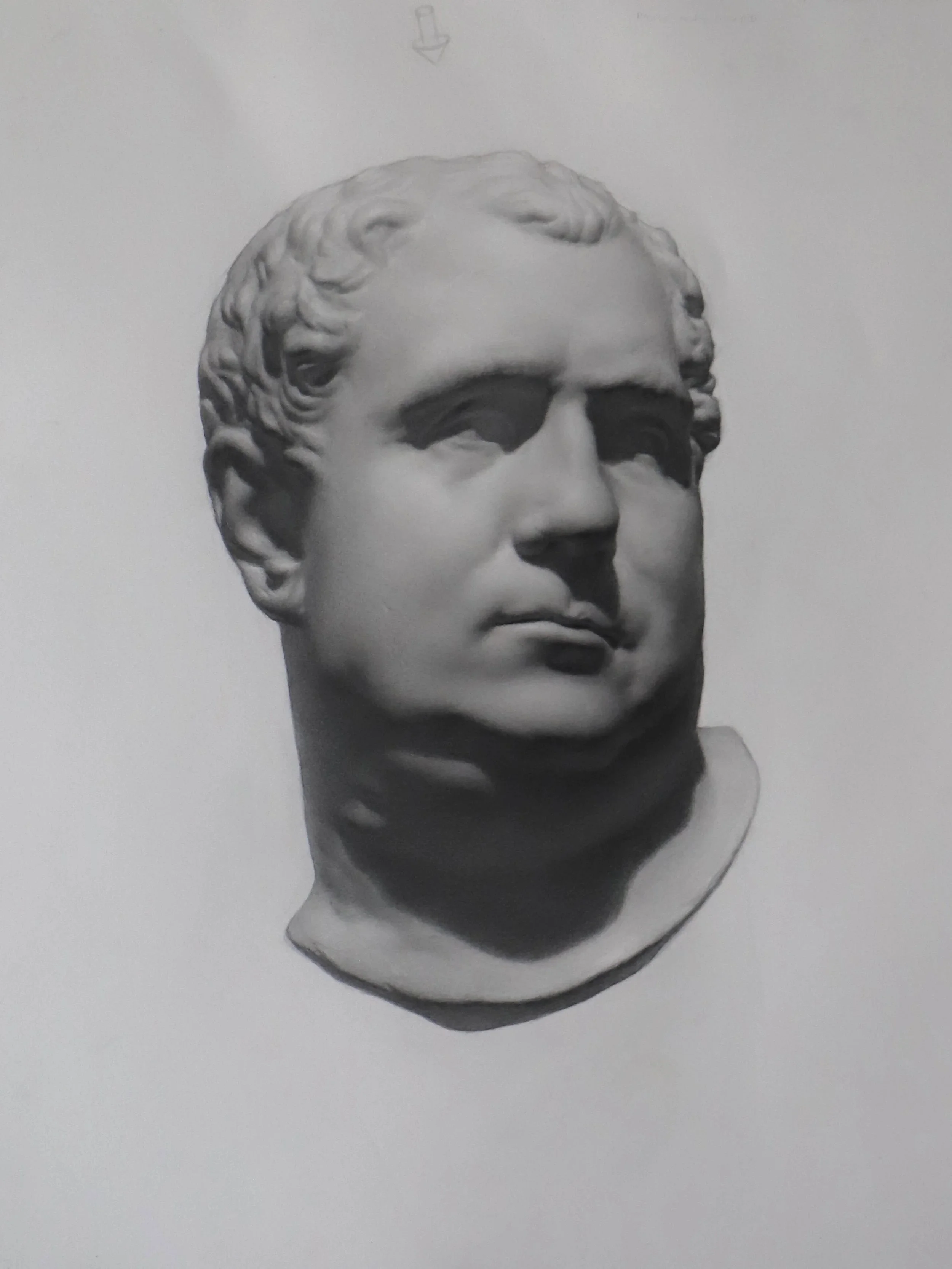
Emperor Vitellius, Patrick Lyons Neilson, 2022, Graphite on Paper
A comparison of two drawings, one by Odd Nerdrum with a sense of organic ‘dither’, and the other an academic cast drawing, dot-picked to remove all irregularities.
This is how life around us is ordered: the infinite variation of leaves unite within the harmony of the underlying structure of the greater tree. The infinite variety of trees unite within the greater structure of the forest, the forest within nature.
The human eye is adjusted to the patterns of nature, and thus artworks that replicate this pattern find their place in line with what we perceive to be natural. They feel more real.
The light sensitive silver halides of silver gelatin prints produces the same organic variation. These silver crystals, suspended in gelatin, are coated on a support such as glass or paper, are exposed to a light projection of an image, and then sealed with a layer of chemicals.
The crystals with their infinite microscopic variety, produce subtle shifts, grain, small imperfections— the ‘dither’ necessary to produce a genuine feeling of life.
~
Human Perception
Sfumato is one of the canonical painting modes of the Renaissance where transitions between values are greatly softened, popularized in large part by Leonardo da Vinci. Its imperceptibly delicate passages mimic the effect of peripheral vision; it doesn’t capture what we see, it captures how we see.
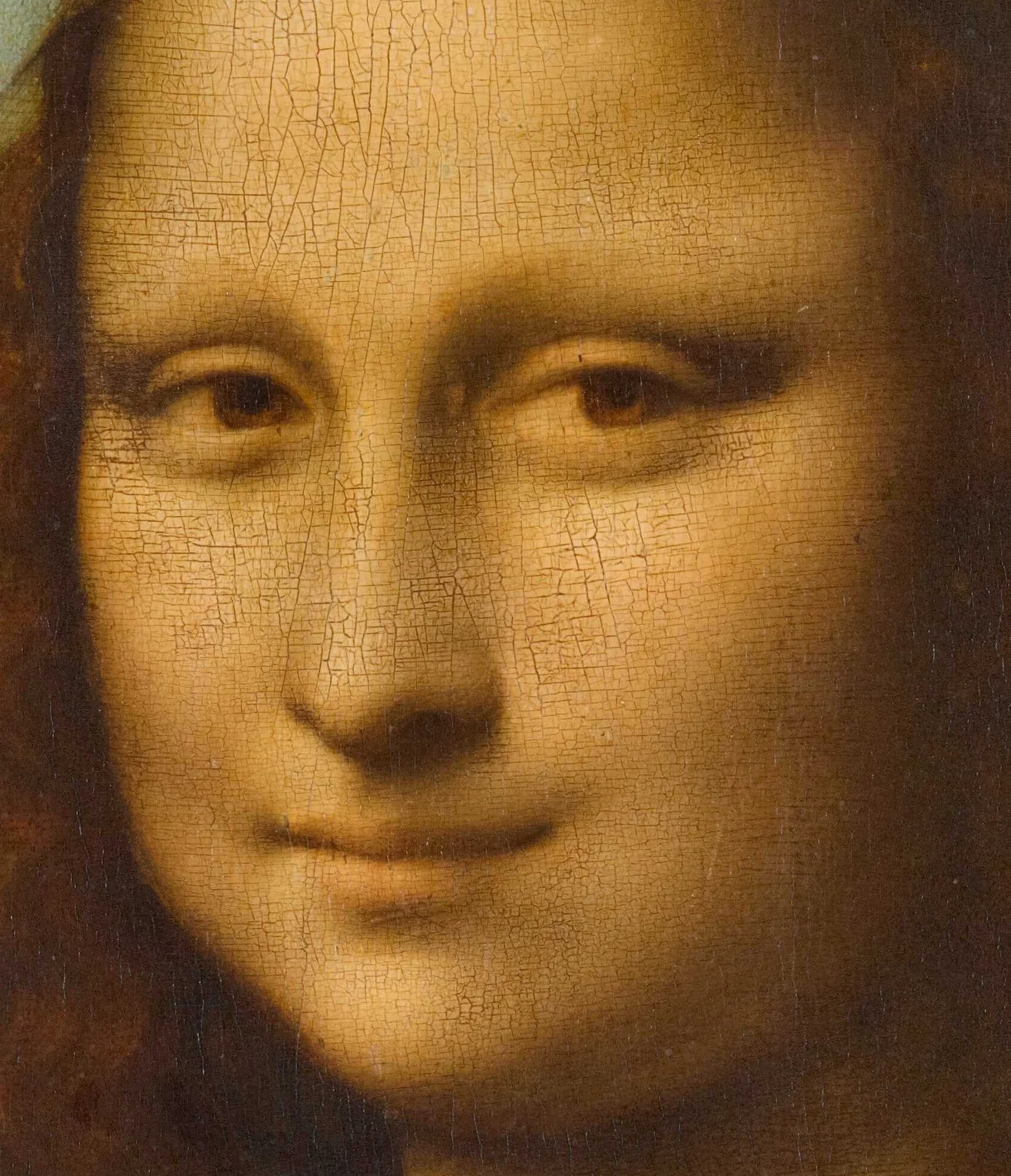
Detail of the face of Mona Lisa showing the use of sfumato, particularly in the shading around the eyes.
Likewise, the blurred edges, flattened details, and slight bias to warmth of film photography, or silver gelatin prints, and other organic processes mimic the mechanics of the eyes.
Additionally, the dynamic range of film photography tends to better protect highlights, and human eyes are better at detecting luminance detail than colour detail.
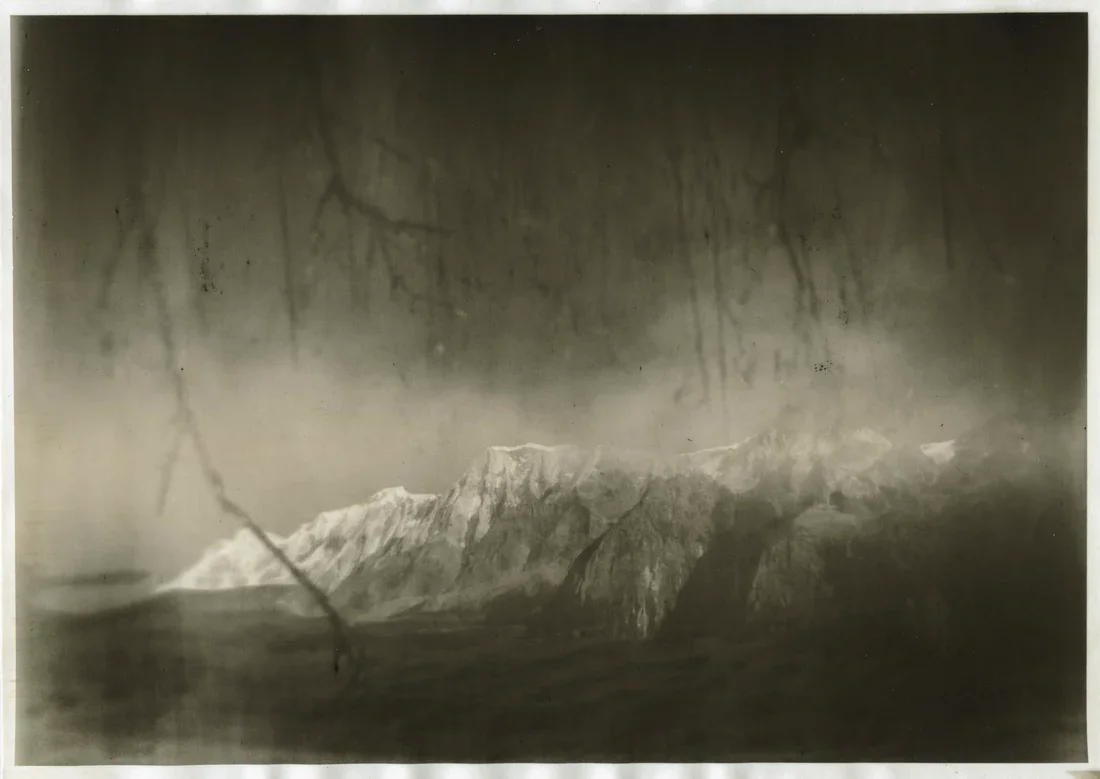
#1028, Zhao Han, Silver Gelatin Print
~
Memory
The natural order of the world, and the mechanics with which we perceive it are both captured behind yet a third lens that makes the photographs of Zhao Han achingly beautiful. The distortion, the blurred boarders, and bleeding light effects are here too pronounced to mimic perception. Instead, it captures not how we see, but how we remember.
Zhao Han’s photography draws from Chinese ink wash paintings, where blank spaces or soft fades are purposefully used to signify clouds, mist, rivers, or infinite distance. He writes,
‘ There is an old idea in classical Chinese art: young artists tend to add details, creating grand, elaborate works and powerful writing. Older artists learn to subtract, focusing on simple expression of mood, with less in their pieces. I think this ties to physical strength and focus.’
The impact of this influence is that the photographs mimic the loss or filter of elimination of memory.
A microscopic fraction of our being is the present. And the present is so often beyond our understanding that seldom do you realize how beautiful a moment is when you experience it, seldom do you realize how scarring another is until long after it passes. Turning a moment into a memory, and reviewing that memory sews it into the context of your life, to value it not as precious, but among the most precious, not as dark, but as blindingly dark. It eliminates the unimportant, irrelevant details, and leaves that only which is essential.
And as time begins to clarify, so also it begins the process of degradation. The gentle imprecision of film mimics the sensory decay of a memory. Adding a blanket of emotion to these memories are the compositional elements of Zhao’s Fusheng photographs: the ghostly blurring and isolation of the figures, the fragility of a flower, the cold of the snow. And yet the depth of the weight of the shadows is inseparable from the delicate sharpness of the light.
~
Taking from the filtering past, we actually create something more timeless, more relevant, more beautiful than if we focused on the second in front of us alone. And combining an understanding of craft and of the mechanics of the human mind give form to these timeless images in a way that makes them feel as if they were created with our own eyes. When I look on my wall at Zhao Han’s work, I continue to feel the ache of longing, a wistfulness, and an deep weight, and yet am continually renewed by the clarity and radiance of light within it.
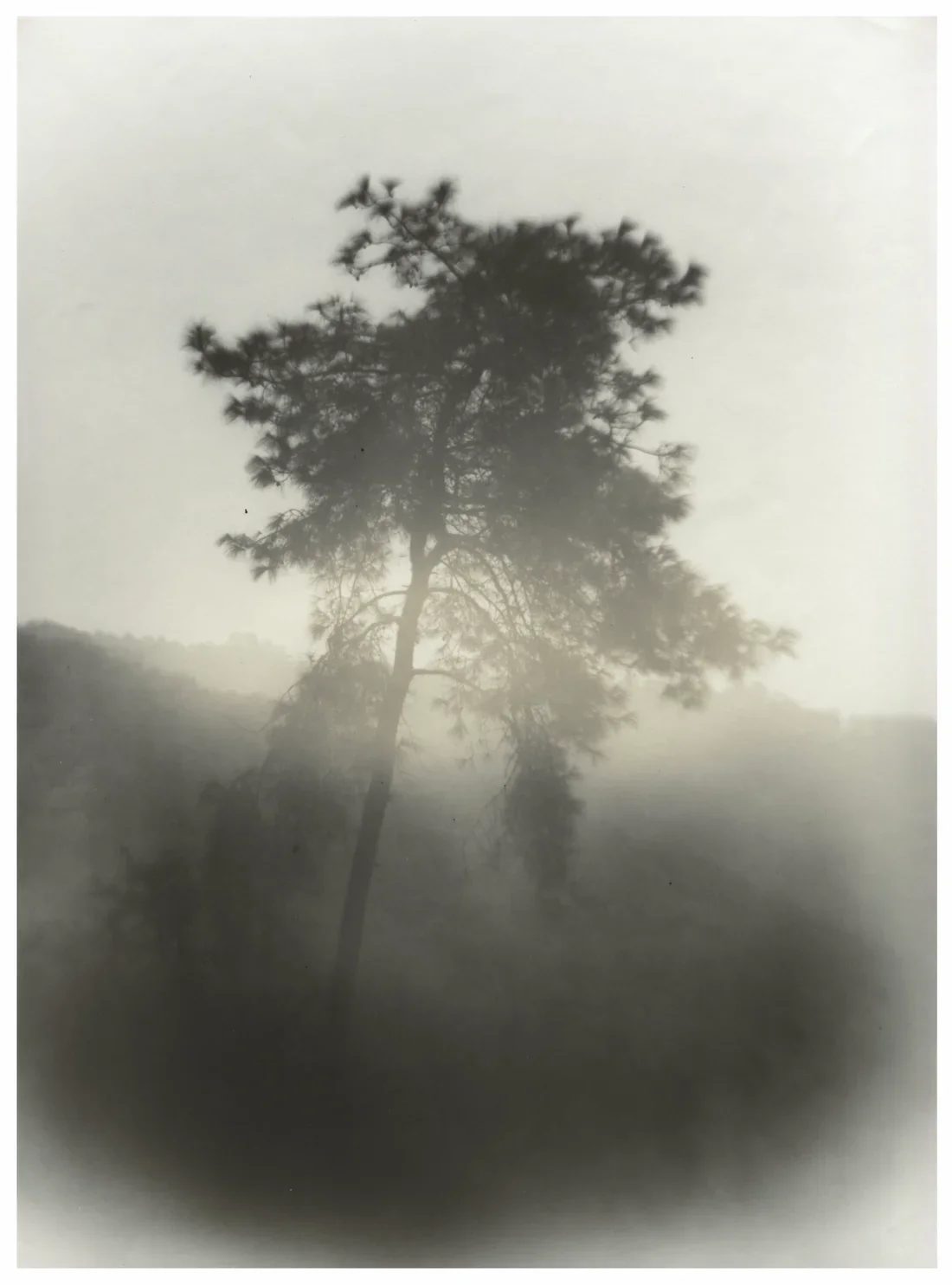
#10204, Zhao Han, Silver Gelatin Print
Zhao Han’s work is available to buy from his website:
For digital copies: https://zhaohan8164.com/
For physical copies: https://www.instagram.com/zhaohan8164/