Digital Accuracy With the Artist in Mind
Old master painting serve as useful tool to make copies and learn from, and we aim to avoid copies that are impossible to recreate, or impractical to use as a reference.
Here are Symposium’s routines and considerations when correcting digital images.
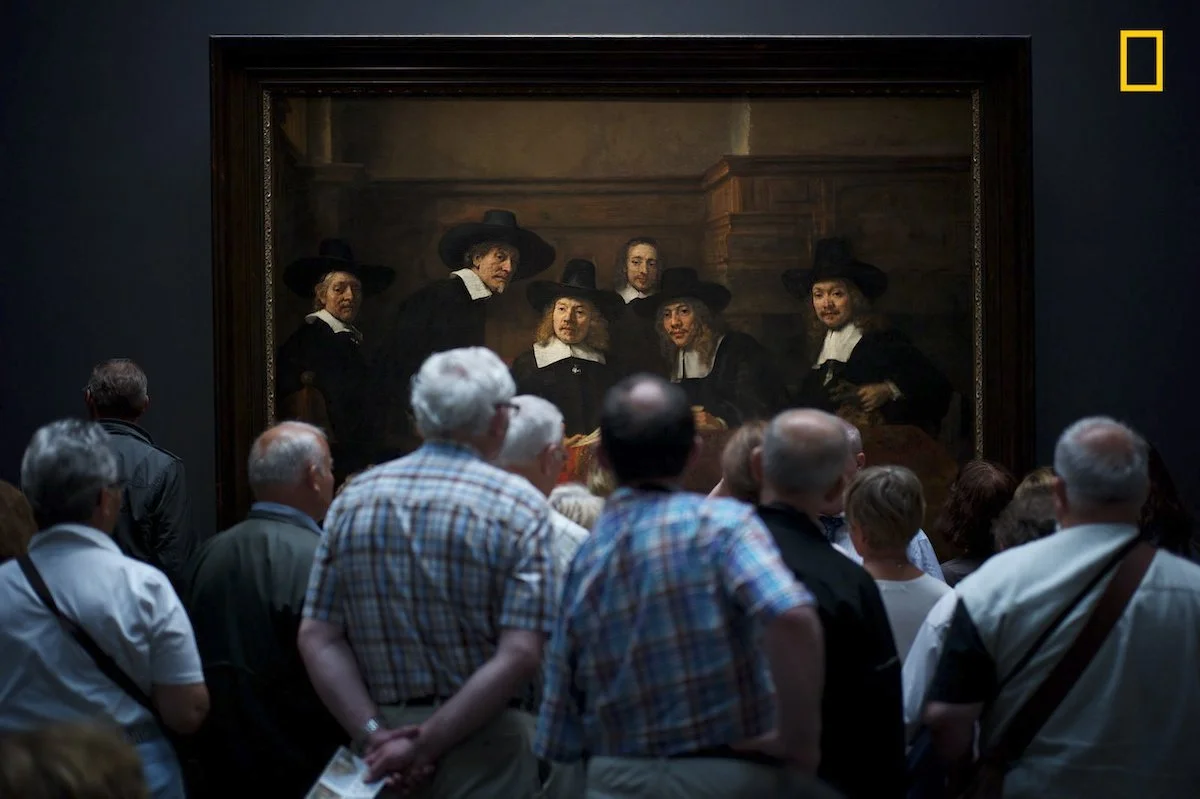
"Interesting moment": The second prize winner in the people category of the 2017 National Geographic Travel Photographer of the Year Contest by Julius Y.
Visiting in person: visiting works in person is, of course, the most accurate way to verify the digital accuracy of an online copy. Alternatively, it provides the opportunity to retake a higher resolution image, keeping elements like lighting and white balance in mind.
However, many pieces are inaccessible in archives or private collections with no public interaction permitted. In these (frequent) cases, the following are useful considerations:
Official museum catalogue: sometimes museum catalogue images don’t appear in google images, so it’s useful to go to the website of the museum where the painting is stored and search directly through their catalogues. Searching in the title’s original language is sometimes necessary too.
The artist’s palette: look at the artist's other work: what palette do they typically lean to? Is this copy radically different?
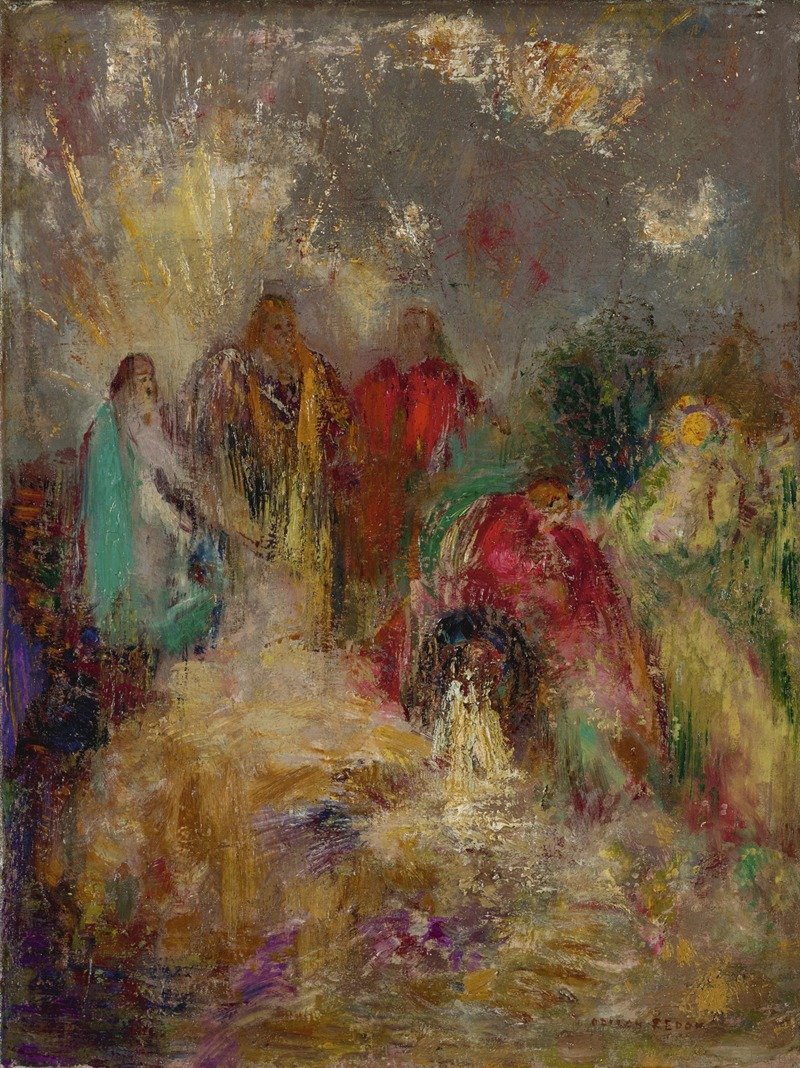
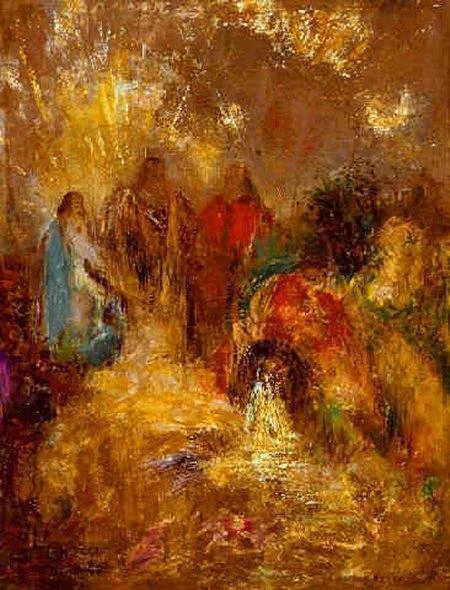
While the gold is a beautiful rendition, the left is far more typical of Redon’s palette.
Christ and His Disciples Odilon Redon circa 1905 Oil on canvas 32.39 x 24.45 cm Collection: Private collection
Physical properties of paintings: paintings reflect light while your phone and laptop emit light, such that images with an overly heightened contrast can have brightness not possible to achieve with a painting. Images in the archive are edited with this constraint in mind.
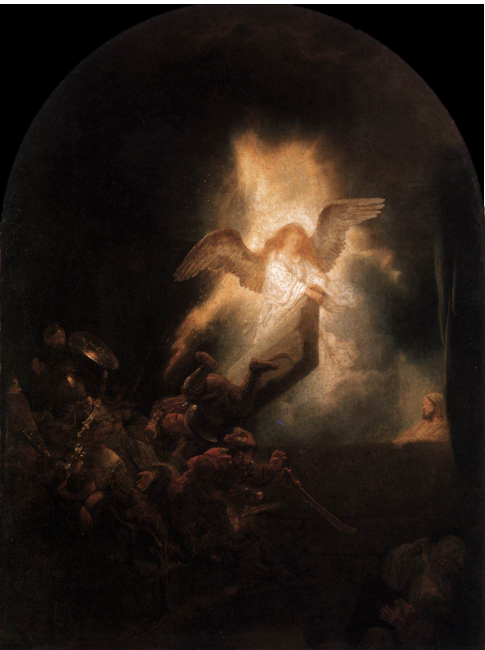
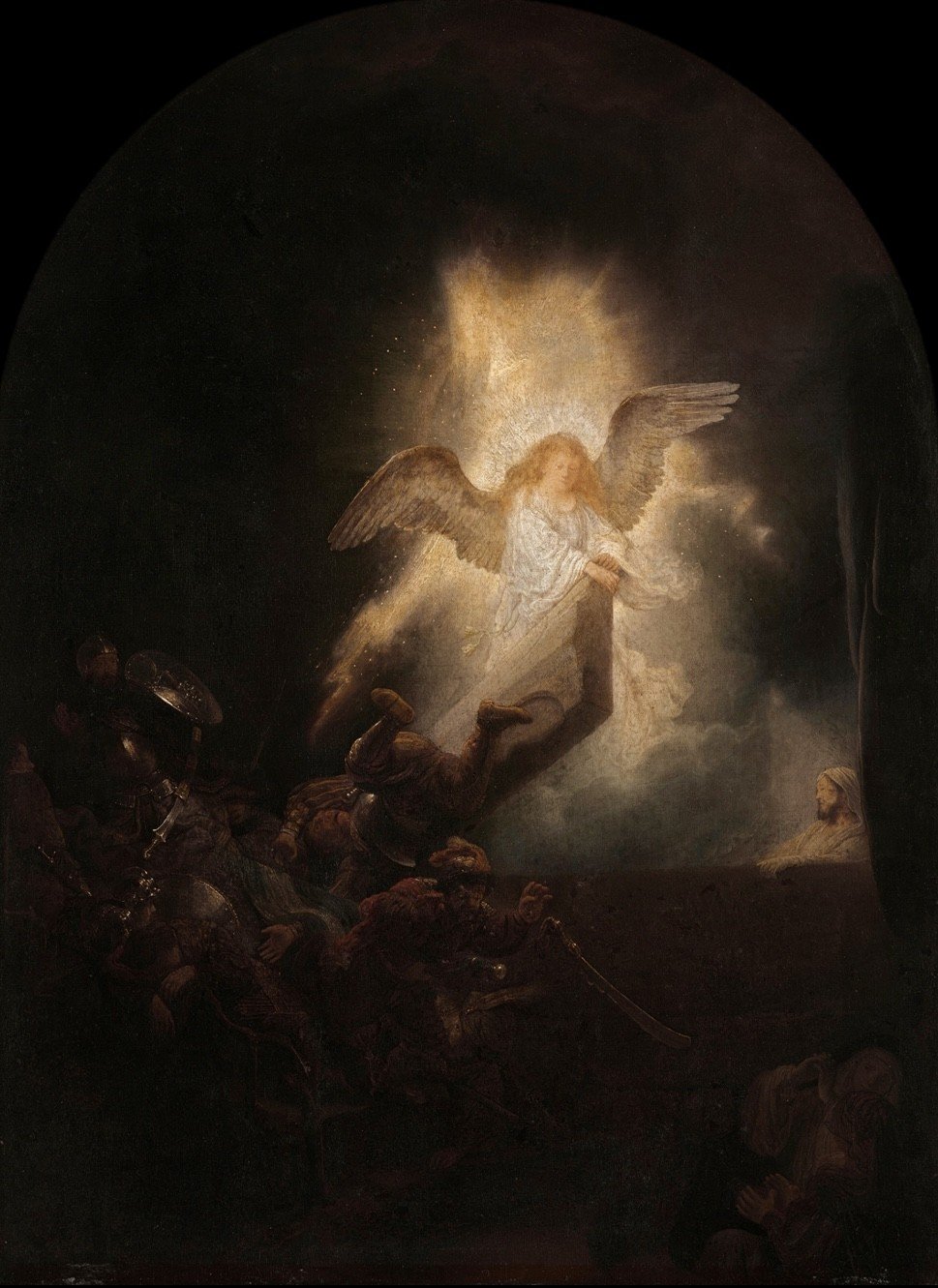
‘The Resurrection’
Rembrandt van Rijn
Part of Passion (4 paintings from the Cross to Descent)
circa 1636-1639
91.9 cm x 67 cm
Collection: Alte Pinakothek
Yellowing: often painting images with a strong washed yellow or golden tint are likely to have been edited.
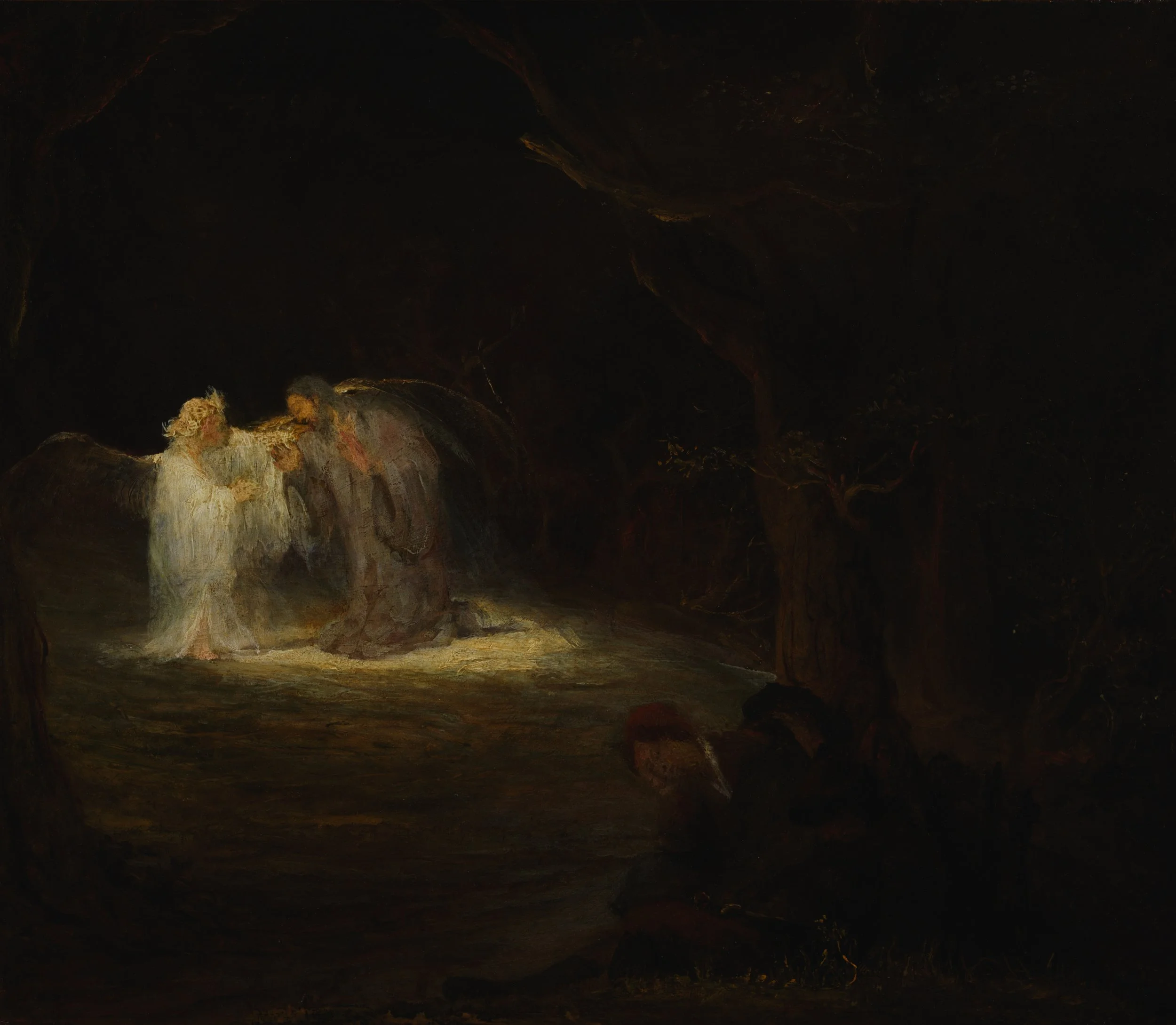
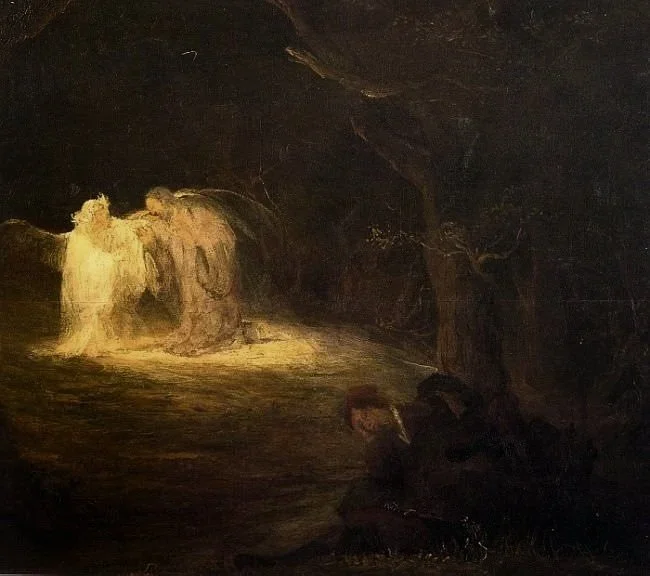
Christ on the Mount of Olives
Arent de Gelder
ca. 1715
Oil on panel
36.8 x 42.5 cm
Collection: The Leiden Collection
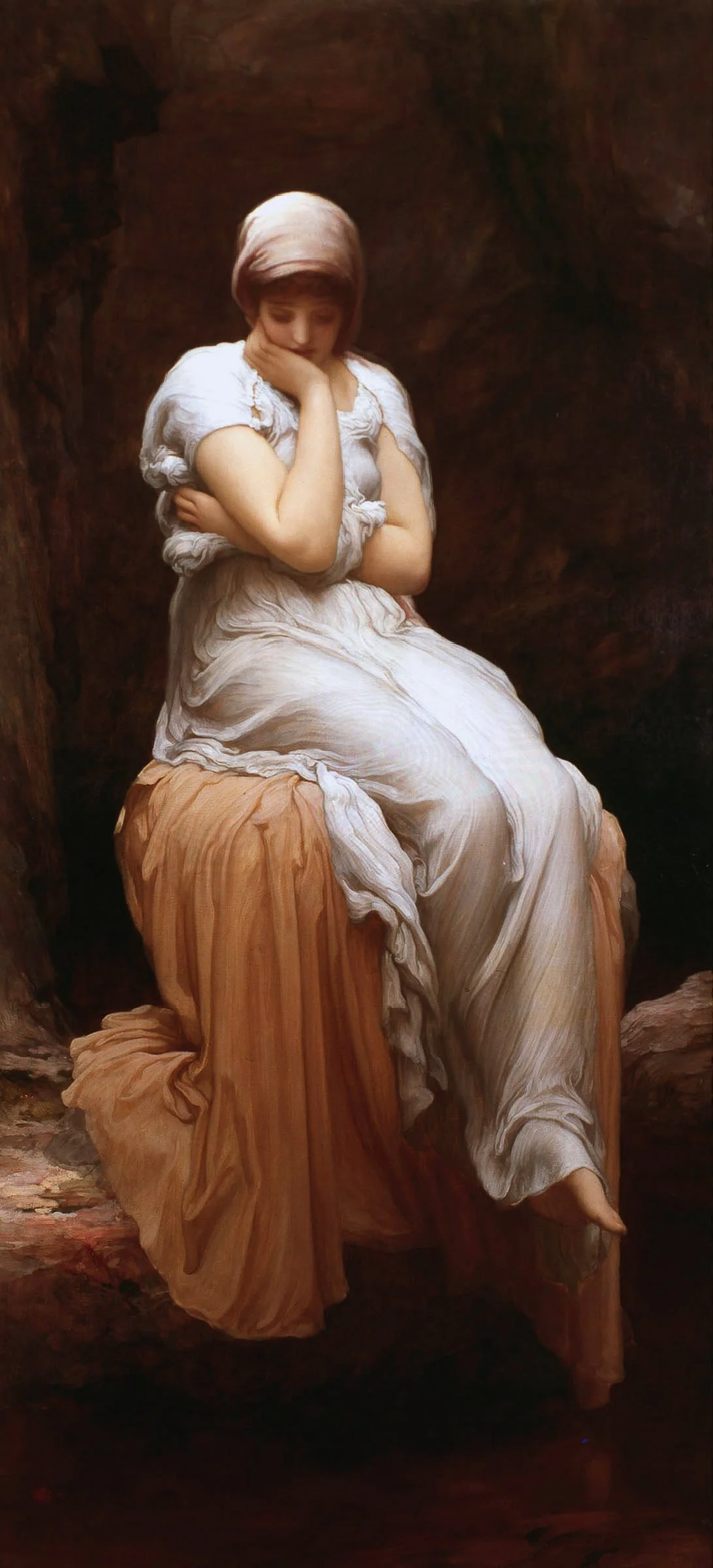
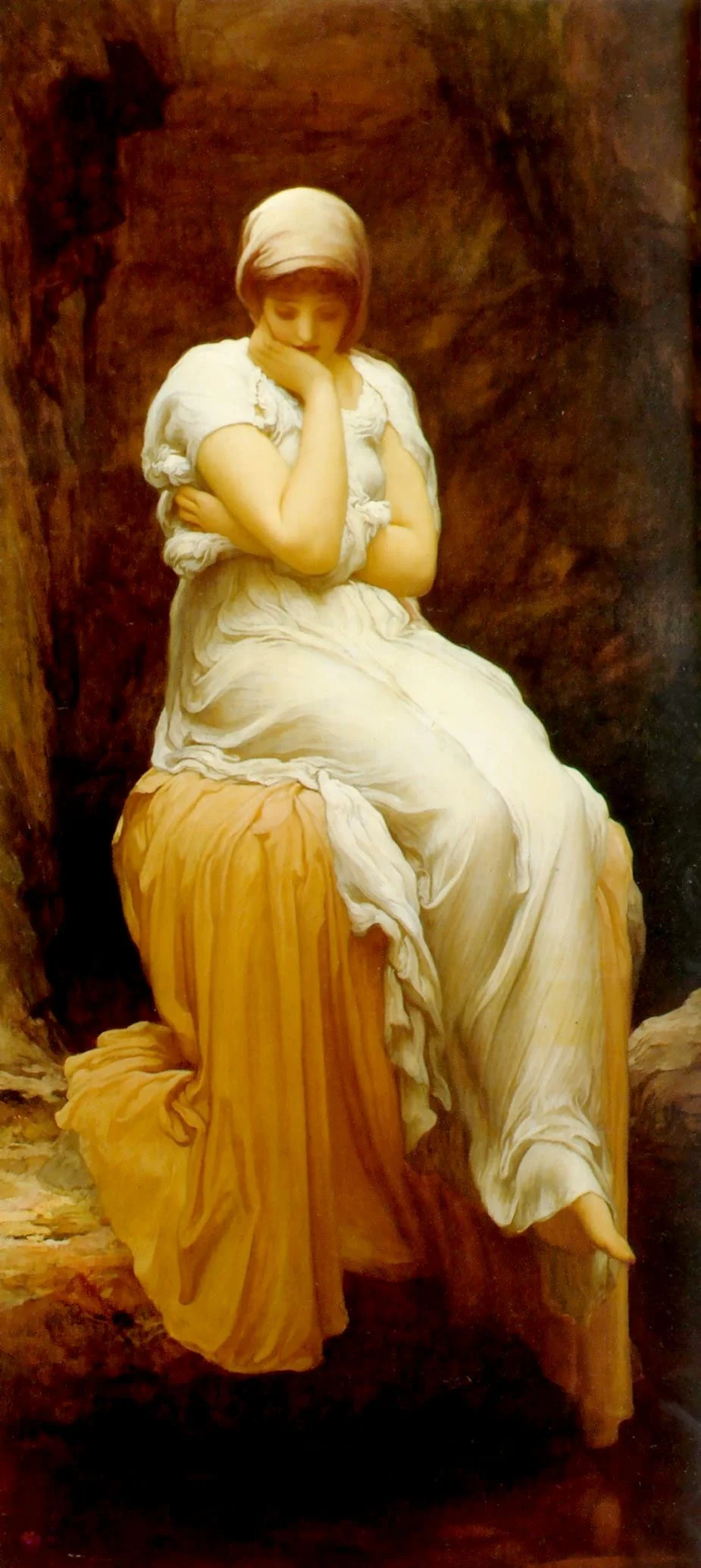
Solitude
Frederic Lord Leighton
1890
Oil on canvas
182.8 x 91.4 cm
Collection: Maryhill Museum of Art in Washington, USA
Additional online videos or pictures: many people who have been to museums will upload their own . Searching through social media platforms can provide collective references with which to help hone an accurate colour grading.
AI: We under go a thorough process of ensuring the artwork in the archive is completely without the interference of AI. Read More.
The images in the archive serve a purpose for artists, and as such require a digital accuracy. However, technology is a tool, and the new digital life of these artworks can also provide a fascinating age-old consideration.